Welcome to Meat Only Living! If you’re embracing the carnivore diet, you’ve likely discovered the incredible benefits of focusing on animal-based nutrition. But, like any dietary approach, success often hinges on planning and preparation. That’s where carnivore meal prep comes in. This guide will provide you with the knowledge and tools to make meal prep a breeze, saving you time, money, and stress, all while enjoying delicious, satisfying meals.
Introduction to Carnivore Meal Prep: Why It Matters
Embarking on a carnivore diet is a commitment to a simpler, more primal way of eating. But simple doesn’t always mean easy without a plan. Meal prepping is the key to unlocking the full potential of the carnivore lifestyle.
the Benefits of Meal Prep on the Carnivore Diet
- Consistency and Adherence to the Carnivore Lifestyle: Having pre-prepared meals readily available eliminates the temptation to stray from your dietary goals. When hunger strikes, you’ll have a carnivore-approved option ready to go.
- Time-Saving Aspects: Reclaiming Your Week: Imagine spending just a few hours each week preparing all your meals. This frees up valuable time during the week for work, hobbies, family, or simply relaxing.
- Cost Savings: Buying in Bulk and Reducing Waste: Purchasing meat in bulk is often significantly cheaper than buying individual portions. Meal prepping also ensures that you use all the food you purchase, minimizing waste.
- Stress Reduction: Eliminating Daily Meal Decisions: No more agonizing over What to eat for each meal. Your decisions are made in advance, reducing daily stress and mental fatigue.
- Improved Portion Control and Macronutrient Management: Pre-portioning your meals helps you maintain consistent intake and ensures you’re meeting your nutritional needs.
Getting Started: Essential Tools and Equipment for Carnivore Meal Prep
Before you start, having the right tools makes all the difference. You don’t need a fancy, fully-equipped kitchen, but a few key items will streamline your meat prep process.
Kitchen Essentials for Meat Prep
- Quality Knives (Chef’s Knife, Boning Knife): Sharp knives are essential for safe and efficient meat cutting. A good chef’s knife will handle most tasks, while a boning knife is helpful for trimming fat and removing bones.
- Cutting Boards (Designated for Meat): Use a separate cutting board exclusively for meat to prevent cross-contamination.
- Meat Thermometer: Ensure your meat is cooked to the perfect internal temperature for safety and optimal taste.
- Large Mixing Bowls: Useful for seasoning and mixing ground meat or preparing larger cuts.
- Meat Grinder (Optional, for making ground meat blends): If you prefer to grind your own meat or create custom blends (including organ meats), a meat grinder is a worthwhile investment.
Storage Solutions for Carnivore Recipes
- Glass Containers (Various Sizes): Glass is ideal for storing cooked food as it doesn’t absorb odors or leach chemicals.
- Reusable Silicone Bags: These are great for storing individual portions of cooked or raw meat.
- Vacuum Sealer (Optional, for longer-term storage): A vacuum sealer removes air, extending the shelf life of your meat in the freezer.
- Freezer-Safe Containers: Choose containers specifically designed for freezing to prevent freezer burn.
Sourcing Your Meat: Quality and Cost-Effectiveness
The foundation of the carnivore diet is high-quality meat. Finding the right balance between quality and affordability is key.
Choosing the Right Cuts for the Carnivore Diet
- Budget-Friendly Options: Ground Beef, Chuck Roast, Chicken Thighs.
- Mid-Range Options: Steaks (Ribeye, Sirloin, New York Strip), Pork Chops.
- Premium Options: Lamb, Bison, Wild-Caught Fish (if including).
Where to Buy Your Meat: Optimizing for Quality and Price
- Local Butchers: Building a relationship with your local butcher can provide access to high-quality cuts, custom orders, and potentially better prices.
- Farmers Markets: A great source for locally sourced, grass-fed, and pasture-raised meats.
- Grocery Stores: Learn to identify quality cuts and look for sales and discounts.
- Online Meat Delivery Services: Offer convenience and access to specialty meats, such as grass-fed and organic options.
Buying in Bulk: Strategies for Saving Money
Buying meat in larger quantities, like whole chickens or large roasts, and dividing it into portions is a great way to take advantage of bulk pricing. Many butchers or online retailers will offer considerable discounts the more you buy.
Mastering the Basics: Simple Carnivore Meal Prep Recipes
Let’s get cooking! These simple recipes form the backbone of carnivore meal prep.
Batch Cooking Ground Beef: The Foundation of Easy Meals
- Carnivore Recipe: Basic Ground Beef (Seasoning Options: Salt, Pepper, Garlic Powder)
Brown ground beef in a large skillet or pot. Season with salt, pepper, and optional garlic powder. Drain off excess fat. Portion into containers for individual meals.
- Variations: Adding Organ Meats (Liver, Heart) for Nutrient Density
Finely chop or grind organ meats and mix them into the ground beef for a nutrient boost. Start with small amounts to adjust to the taste.
Roasting a Whole Chicken or Large Cuts of Meat
- Carnivore Recipe: Simple Roast Chicken (Seasoning Options)
Preheat oven to 375°F (190°C). Pat the chicken dry and season with salt and pepper (or other desired carnivore-friendly spices). Roast until the internal temperature reaches 165°F (74°C). Let rest before carving.
- Carnivore Recipe: Slow-Cooker Chuck Roast
Season a chuck roast with salt and pepper. Place in a slow cooker. Cook on low for 8-10 hours or on high for 4-6 hours, or until fork-tender.
- Utilizing Leftovers: Creating Multiple Meals from One Roast
Shred leftover roast chicken or chuck roast and use it in various meals throughout the week.
Preparing Steaks for Quick Cooking
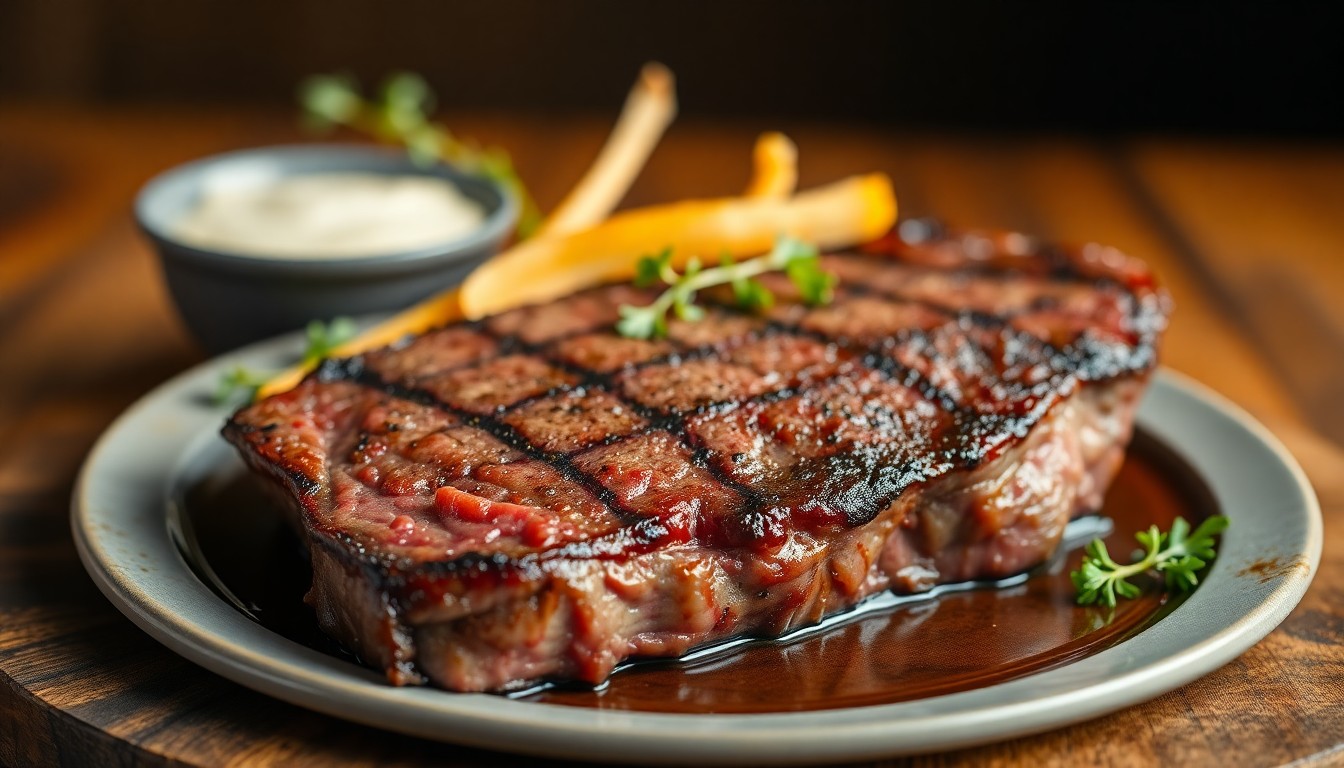
- Carnivore Recipe: Pan-Seared Steak (Butter, Salt, Pepper)
Heat a cast-iron skillet over high heat. Season steaks with salt and pepper. Add butter to the skillet. Sear steaks for 2-4 minutes per side, depending on desired doneness.
- Tips for Perfect Doneness: Use a meat thermometer to ensure your steak reaches the desired internal temperature.
- Pre-Portioning and Freezing for Later: Cook steaks to your liking, let them cool completely, and then freeze them individually for quick and easy meals.
Hard Boiled Eggs
- Benefits of hard boiled eggs on carnivore.
Eggs are a great source of protein and nutrients, and fit into the carnivore diet perfectly.
- Prepping a large batch.
Boil a dozen or more eggs at a time, and store in the fridge for a quick snack or to add to a meal.
Time-Saving Strategies for Carnivore Meal Prep
Efficiency is key to making meal prep sustainable.
The One Big Cook Approach: Dedicate Time Once a Week
- Planning Your Meal Prep Session: Decide what you’ll cook and create a schedule.
- Creating a Shopping List: Ensure you have all the necessary ingredients.
- Maximizing Oven and Stovetop Space: Cook multiple items simultaneously to save time.
Utilizing a Slow Cooker or Instant Pot for Easy Meals
- Set-It-and-Forget-It Carnivore Recipes: Slow cookers and Instant Pots are perfect for hands-off cooking.
- Tenderizing Tougher Cuts of Meat: These appliances excel at breaking down tougher cuts, making them tender and flavorful.
Pre-Portioning and Packaging: Grab-and-Go Convenience
- Weighing and Dividing Meat into Individual Servings: Use a food scale to ensure consistent portions.
- Labeling Containers with Contents and Date: This helps you keep track of what you have and when it was prepared.
Freezing Strategies for Long-Term Storage
- Proper Freezing Techniques to Prevent Freezer Burn: Wrap meat tightly in plastic wrap or use a vacuum sealer.
- Thawing Methods for Optimal Texture and Safety: Thaw meat in the refrigerator overnight or use the defrost setting on your microwave.
The 30 Minute Carnivore meal prep.
- Focus on quickly cooking meats, such as burgers, or steak.
If you’re short on time, focus on grilling, or pan frying steaks or burgers, which are easy to cook and require little preparation.
Carnivore Meal Prep on a Budget
The carnivore diet doesn’t have to break the bank.
Choosing Affordable Cuts of Meat
- Ground Beef, Chicken Thighs, Organ Meats: These are generally less expensive than prime cuts.
Buying in Bulk and Taking Advantage of Sales
Stock up on meat when it’s on sale and freeze it for later use.
Reducing Food Waste: Using Every Part of the Animal
Consider making bone broth from leftover bones or rendering fat for cooking.
Focus on eggs.
Eggs are a very affordable source of protein and nutrients, and fit perfectly on a carnivore diet.
Troubleshooting Common Carnivore Meal Prep Challenges
Let’s address some common hurdles.
Dealing with Meat Spoilage
- Proper Storage Techniques: Store meat in the coldest part of your refrigerator and use it within the recommended timeframe.
- Recognizing Signs of Spoilage: Discard any meat that has an off odor, slimy texture, or unusual color.
Preventing Boredom: Adding Variety to Your Carnivore Recipes
- Experimenting with Different Seasonings (while remaining carnivore-compliant): Try different types of salt (sea salt, Himalayan pink salt), pepper, and garlic or onion powder.
- Incorporating Different Cuts of Meat: Rotate between different cuts to keep things interesting.
- Occasional Inclusion of Approved Foods (if desired and tolerated, e.g., certain spices, bone broth): Some individuals tolerate certain spices or bone broth well. Listen to your body and adjust accordingly.
Staying Motivated and Consistent
- Setting Realistic Goals: Start small and gradually increase your meal prep efforts.
- Finding a Meal Prep Routine that Works for You: Experiment with different approaches to find what fits your schedule and preferences.
- Tracking Progress and Celebrating Successes: Acknowledge your accomplishments to stay motivated.
Storing long term.
Use a vacuum sealer to remove air from packaging. This can greatly increase the storage life of your meats.
Advanced Carnivore Meal Prep Ideas (Optional)
Ready to take your meal prep to the next level?
Making Your Own Bone Broth
Simmer bones in water for 12-48 hours to create a nutrient-rich bone broth.
Incorporating Organ Meats Creatively
Try making pâté or adding finely chopped organ meats to ground beef dishes.
Preparing Carnivore-Friendly Snacks (e.g., Beef Jerky, Pork Rinds)
These can be made at home or purchased from reputable sources.
Homemade Pemmican.
Pemmican is a traditional, highly nutritious, and long-lasting food made from dried meat, rendered fat, and sometimes dried berries (though berries would not be included for strict carnivore).
Conclusion
Carnivore meal prep is a game-changer for anyone following this way of eating. It promotes consistency, saves time and money, reduces stress, and ultimately helps you reap the full benefits of the carnivore diet: improved energy levels, better digestion, mental clarity, and overall well-being. By implementing these strategies, you can make the carnivore lifestyle sustainable and enjoyable for the long term.
Frequently Asked Questions
How long can I store cooked meat in the refrigerator?
Cooked meat can typically be stored in the refrigerator for 3-4 days.
Can I freeze cooked meat?
Yes, cooked meat freezes well. Make sure to cool it completely before freezing and use freezer-safe containers or bags.
What if I don’t have time for a full meal prep session?
Even prepping a few meals in advance is better than nothing. Focus on quick-cooking options like steak or ground beef.
Is it okay to eat the same thing every day on the carnivore diet?
While some people thrive on simplicity, others prefer variety. Listen to your body and adjust your meal plan accordingly. If you are eating the same cuts of meat day after day, consider adding some organ meats for a wider range of nutrients.
How do I know if the carnivore diet is right for me?
It’s always best to consult with a healthcare professional or registered dietitian before making significant dietary changes.