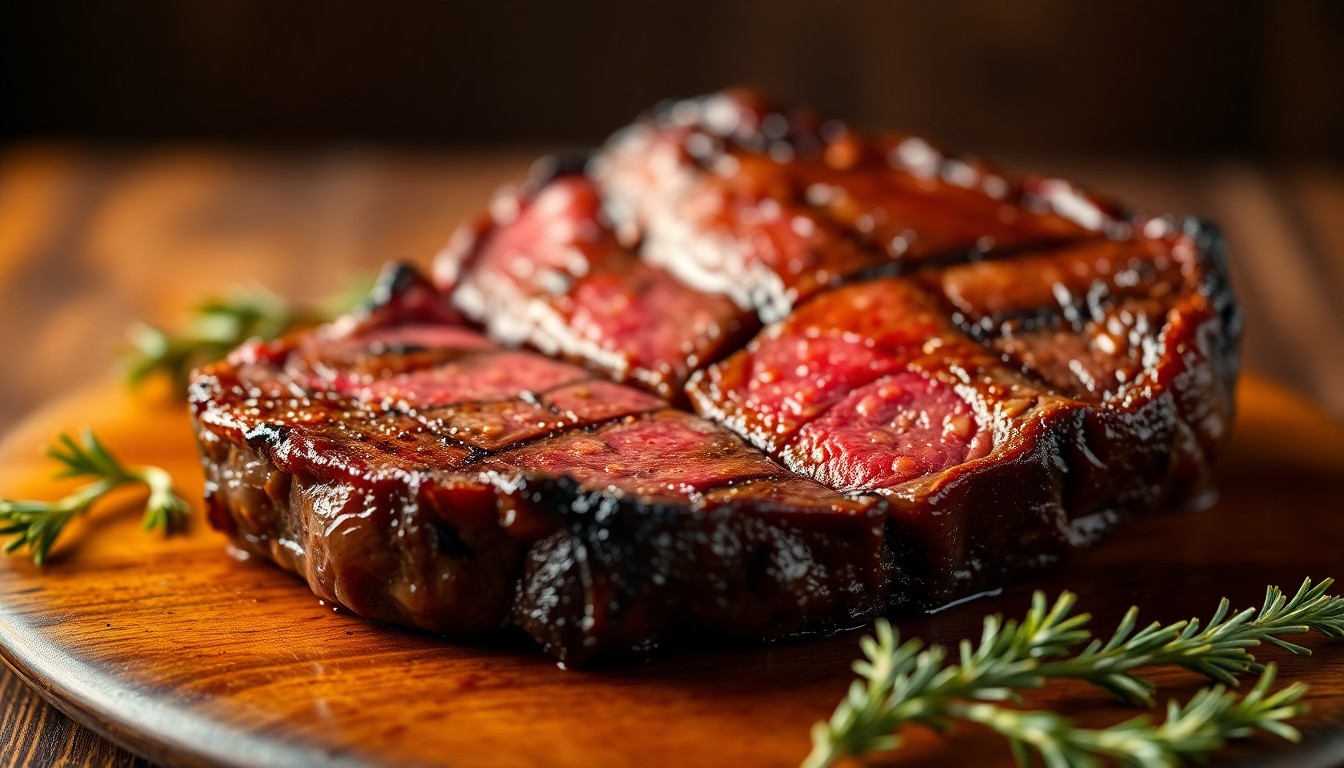
Welcome to Meat Only Living, where we explore the power of the carnivore diet! If you’re looking for a way of eating that prioritizes animal products and potentially offers significant benefits for weight loss, gut health, and overall well-being, you’ve come to the right place. This post will delve into the world of the all-Meat diet, exploring its principles, potential advantages, and practical considerations.
What is an All-Meat Diet? Exploring the Carnivore Diet
The carnivore diet, often referred to as an all-meat or meat-only diet, is gaining popularity as a simple yet potentially powerful approach to nutrition. But what exactly does it entail?
Defining the Carnivore Diet: What it Entails
The core principle of the carnivore diet is simple: consume only animal products and exclude all plant-based foods. This creates an animal-based diet focused on maximizing nutrient density from animal sources.
- Foods Allowed: This includes all types of meat (beef, lamb, pork, poultry, game), fish, seafood, eggs, and, depending on the individual’s level of strictness, some dairy products (especially full-fat options like butter and heavy cream). Some individuals also include animal fats like tallow and lard. The level of strictness can vary, with some people consuming only muscle meat and water, while others incorporate organ meats and bone broth for added nutrients.
- Foods Excluded: All plant-based foods are eliminated. This includes fruits, vegetables, grains, legumes, nuts, seeds, and any processed foods derived from plants.
- Emphasis on Animal-Based Diet Principles: The focus is entirely on obtaining nutrients from animal sources, mimicking a diet that some believe is closer to what our ancestors may have consumed.
Distinguishing the Meat-Only Diet from Other Diets
It’s important to differentiate the carnivore diet from other popular dietary approaches.
- Carnivore Diet vs. Ketogenic Diet: Both the carnivore diet and the ketogenic diet can induce ketosis, a metabolic state where the body primarily burns fat for fuel. However, the ketogenic diet allows for low-carbohydrate, non-animal foods like leafy greens and certain vegetables, while the carnivore diet strictly excludes all plant matter. The carnivore diet is, therefore, a more restrictive subset of the ketogenic diet.
- Carnivore Diet as an Elimination Diet: The carnivore diet serves as an effective elimination diet. By removing all potential dietary triggers (plant-based allergens, anti-nutrients, and irritants), it can help individuals identify food sensitivities and pinpoint foods that may be contributing to health issues.
- Carnivore Diet vs Paleo: While both diets emphasize whole, unprocessed foods, the Paleo diet includes fruits, vegetables, nuts, and seeds, resulting in a higher carbohydrate intake compared to the carnivore diet. The macronutrient ratios differ significantly, with the carnivore diet being very high in fat and protein and virtually zero in carbohydrates.
Historical Context of the Animal-Based Diet
While the modern carnivore diet is a relatively recent trend, the concept of consuming a primarily animal-based diet has historical roots.
- Ancestral eating patterns: Some proponents suggest that our hunter-gatherer ancestors may have consumed diets heavily reliant on animal products during certain periods or in specific environments.
- Indigenous cultures: Several indigenous cultures, such as the Inuit and Maasai, traditionally consumed diets high in animal products and demonstrated good health, although it’s important to note the complexity of their lifestyles and environments.
The Potential for Weight Loss on a Carnivore Diet
One of the most frequently cited benefits of the carnivore diet is its potential for weight loss. Let’s explore the mechanisms behind this.
How a Meat-Only Diet Promotes Weight Loss
- Increased Satiety: Protein and fat are highly satiating nutrients. A meat-only diet, rich in both, can significantly reduce hunger and cravings, leading to a natural decrease in calorie intake.
- Metabolic Advantages: Some evidence suggests that a high-protein, low-carbohydrate diet may increase thermogenesis (the body’s production of heat) and overall energy expenditure. This means you may burn more calories even at rest.
- Hormonal Regulation: The carnivore diet can impact key hormones involved in weight regulation. It may help stabilize insulin levels, reduce leptin resistance (a hormone that signals fullness), and modulate ghrelin (a hunger hormone).
- Elimination of Processed Foods and Sugars: By its very nature, the carnivore diet eliminates all processed foods, refined sugars, and unhealthy carbohydrates, which are major contributors to weight gain. This is a crucial factor in its weight loss effectiveness.
Understanding the Role of Ketosis
The carnivore diet, like the ketogenic diet, induces ketosis. When carbohydrate intake is drastically reduced, the body switches to burning fat for fuel, producing ketones as a byproduct.
- Ketogenic Diet Principles: The principles of the ketogenic diet directly apply to the carnivore diet. The body enters a state of ketosis, utilizing fat as its primary energy source.
- Fat Adaptation: Over time, the body becomes fat-adapted, meaning it becomes more efficient at burning fat for fuel. This can lead to increased energy levels and contribute to weight loss.
Real-Life Examples
Many individuals report significant weight loss success on the carnivore diet. While individual results vary, numerous anecdotes and testimonials highlight the potential of this approach for shedding excess weight.
Gut Health and the Carnivore Diet: A Surprising Connection?
The relationship between the carnivore diet and gut health is often debated. Here’s a look at the different perspectives.
The Conventional View vs. the Carnivore Diet Perspective on Gut Health
- Traditional Recommendations: Conventional dietary advice often emphasizes the importance of fiber from fruits, vegetables, and whole grains for optimal gut health.
- The Carnivore Diet Argument: Proponents of the carnivore diet argue that many plant-based foods contain compounds that can irritate the gut lining and contribute to digestive issues. By eliminating these potential irritants, the carnivore diet may promote gut healing.
Addressing Common Concerns: Fiber and the Microbiome
A common concern is the lack of fiber in a meat-only diet.
- Exploring the Idea that Fiber May Not Be Essential for Everyone: While fiber is beneficial for some, some individuals may experience digestive distress from certain types of fiber. The carnivore diet challenges the notion that fiber is universally essential for everyone.
- Potential for Microbiome Shifts: Eliminating plant-based foods will undoubtedly alter the gut microbiome. Research is ongoing to understand the long-term effects of these shifts on a meat-only diet. Some preliminary evidence suggests that the gut microbiome can adapt to a carnivore diet, but more research is needed.
Potential Benefits for Specific Gut Conditions
There’s anecdotal evidence suggesting that the carnivore diet may be beneficial for certain gut conditions.
- Irritable Bowel Syndrome (IBS): Some individuals with IBS report significant symptom improvement on a carnivore diet.
- Crohn’s Disease: Anecdotal reports suggest potential benefits for managing Crohn’s symptoms.
- Ulcerative Colitis: Similar to Crohn’s, some individuals report improvements in ulcerative colitis symptoms.
- Emphasis on the Elimination Diet Aspect: The elimination diet nature of the carnivore diet allows individuals to remove potential trigger foods, which can be particularly helpful for those with inflammatory bowel diseases.
The importance of the quality of meat.
The quality of the meat consumed is paramount. Opting for organic, grass-fed meats ensures that you are consuming the most nutrient-dense and least inflammatory options available. Grass-fed meats have a better omega-3 to omega-6 fatty acid ratio, which is beneficial for overall health.
Beyond Weight Loss and Gut Health: Other Potential Benefits
The potential benefits of the carnivore diet extend beyond weight loss and gut health.
Mental Clarity and Focus
- Potential Impact on Brain Function: Ketosis and the high nutrient density of animal products may positively impact brain function.
- Anecdotal Reports: Many carnivore dieters report improved mood, reduced brain fog, and increased mental clarity.
Reduced Inflammation
- Potential Anti-inflammatory Effects: Eliminating certain plant compounds, such as lectins and oxalates, may reduce inflammation in the body.
- Impact on Autoimmune Conditions: Some individuals with autoimmune conditions report symptom improvement on a carnivore diet, although more research is needed in this area. It’s crucial to work with a healthcare provider if you have an autoimmune condition.
Improved Skin Health
- Anecdotal Reports: Many people report improvements in skin conditions like acne, eczema, and psoriasis.
- Potential Role of Increased Collagen Intake: Animal products, especially bone broth and connective tissues, are rich in collagen, which is essential for skin health.
Increased Energy Levels
- Transitioning to Fat as a Primary Fuel Source: Becoming fat-adapted can lead to sustained energy levels throughout the day.
- Avoiding Blood Sugar Crashes: Eliminating carbohydrates helps avoid the blood sugar spikes and crashes associated with high-carbohydrate diets.
Simplifying Meal Planning and Preparation
- Fewer Ingredients: Meal planning becomes incredibly simple with a focus on a few key ingredients.
- Streamlined Cooking: Cooking methods are often straightforward, focusing on techniques like grilling, roasting, and pan-frying.
Potential Risks and Considerations of an All-Meat Diet
While the carnivore diet offers potential benefits, it’s essential to be aware of potential risks and considerations.
Nutrient Deficiencies: Addressing Potential Concerns
- Vitamin C, Vitamin K2, and Other Potentially Lacking Nutrients: A strict carnivore diet may be low in certain vitamins and minerals commonly found in plant-based foods.
- Strategies for Mitigating Deficiencies: Consuming organ meats (liver, kidney, heart) is crucial for obtaining a wider range of nutrients. Supplementation may be necessary for some individuals, particularly for vitamin C and electrolytes.
The Importance of Electrolyte Balance
- Sodium, Potassium, and Magnesium on a Ketogenic Diet and Carnivore Diet: When transitioning to a low-carbohydrate diet like the ketogenic diet or carnivore diet, the body excretes more water and electrolytes.
- Tips for Preventing Electrolyte Imbalances: It’s essential to consciously increase intake of sodium, potassium, and magnesium through diet (bone broth, salt) or supplementation.
Transitioning to a Carnivore Diet: The Adaptation Phase
- Potential Side Effects: Some individuals experience keto flu symptoms during the initial adaptation phase, including fatigue, headaches, and muscle cramps. These symptoms are usually temporary and can be mitigated by increasing electrolyte intake and staying hydrated.
- The Importance of Gradual Adaptation: For some, a gradual transition to the carnivore diet may be easier than an abrupt change.
Long-Term Sustainability and Research
- Acknowledging the Limited Long-Term Research: Long-term studies on the carnivore diet are limited. More research is needed to fully understand its long-term effects.
- The Importance of Individual Experimentation: The carnivore diet is not a one-size-fits-all approach. It’s crucial to listen to your body and make adjustments as needed.
- The importance of working with a healthcare provider: Is crucial for monitoring and addressing any potential health concerns.
Who Might Not Be Suitable for a Carnivore Diet?
- Pre-existing conditions: People with certain pre-existing conditions, such as kidney disease, should consult their doctor before starting a carnivore diet.
- Specific dietary requirements: Individuals with specific dietary needs or restrictions may find the carnivore diet too limiting.
- Pregnancy and Breastfeeding: Pregnant and breastfeeding women should consult with their healthcare provider before making significant dietary changes.
Getting Started with the Carnivore Diet: A Practical Guide
Consulting a Professional
Before starting the carnivore diet it is crucial to consult a healthcare professional. This may include a Doctor, Nutritionist or Dietician.
Choosing Quality Meats
- Prioritizing Grass-Fed, Pasture-Raised, and Organic Options: Choose the highest quality meats you can afford and access.
- Incorporating a Variety of Cuts and Organ Meats: Don’t be afraid to experiment with different cuts of meat, and include organ meats for their nutrient density.
Sample Meal Plan (1-3 days)
Day 1:
- Breakfast: Eggs cooked in butter, bacon.
- Lunch: Ground beef patties.
- Dinner: Ribeye steak.
Day 2:
- Breakfast: Salmon and cream cheese.
- Lunch: Leftover ribeye steak.
- Dinner: Roasted chicken with skin.
Day 3:
- Breakfast: Scrambled eggs with beef liver (optional).
- Lunch: Chicken thighs.
- Dinner: Lamb chops.
Snacks (if needed): Beef jerky (unsweetened), hard-boiled eggs, pork rinds.
Tracking Progress and Listening to Your Body
- Monitoring: Pay attention to your energy levels, gut health, weight loss (if that’s a goal), and overall well-being.
- Adjustments: Be prepared to make adjustments to your food choices and quantities based on your individual needs and responses.
Supplementing Wisely
- Electrolytes: Supplementing with electrolytes, especially during the initial adaptation phase, is often recommended.
- Vitamins: Consider targeted supplementation if you have concerns about specific nutrient deficiencies, after consulting with a healthcare professional.
Frequently Asked Questions (FAQ)
Is the carnivore diet safe?
The carnivore diet is a relatively new area of research, and long-term studies are limited. Many people report positive experiences, but it’s crucial to listen to your body, prioritize nutrient density, and consult with a healthcare professional, especially if you have any underlying health conditions.
Will I be deficient in nutrients on a carnivore diet?
Potential nutrient deficiencies are a valid concern. Consuming a variety of animal products, including organ meats, and considering targeted supplementation can help mitigate these risks.
Can I eat dairy on the carnivore diet?
Some people tolerate dairy well, while others do not. If you choose to include dairy, opt for full-fat, preferably raw or fermented, options.
How much should I eat on a carnivore diet?
Eat to satiety. Listen to your body’s hunger and fullness cues. There’s no need to count calories strictly.
What about fiber?
The carnivore diet contains minimal to no fiber. While fiber is traditionally considered essential, some individuals find they thrive without it. More research is needed on the long-term effects of a zero-fiber diet.
Can I drink coffee or tea on the carnivore diet?
Technically, coffee and tea are derived from plants. Some strict carnivores avoid them, while others include them in moderation. Listen to your body and see how you react.
Conclusion
The carnivore diet offers a unique and potentially powerful approach to nutrition, with reported benefits ranging from significant weight loss and improved gut health to increased mental clarity and reduced inflammation. By focusing on nutrient-dense animal products and eliminating potential dietary irritants, this animal-based diet can be a valuable tool for those seeking to optimize their health. It functions as a powerful elimination diet, and shares similarities with, yet remains distinct from, the ketogenic diet. However, it’s crucial to approach the meat-only diet with careful consideration, addressing potential nutrient deficiencies, managing the adaptation phase, and prioritizing high-quality meat sources. Consulting with a healthcare professional is highly recommended, especially for individuals with pre-existing health conditions. Ultimately, the carnivore diet is about listening to your body and finding what works best for you.