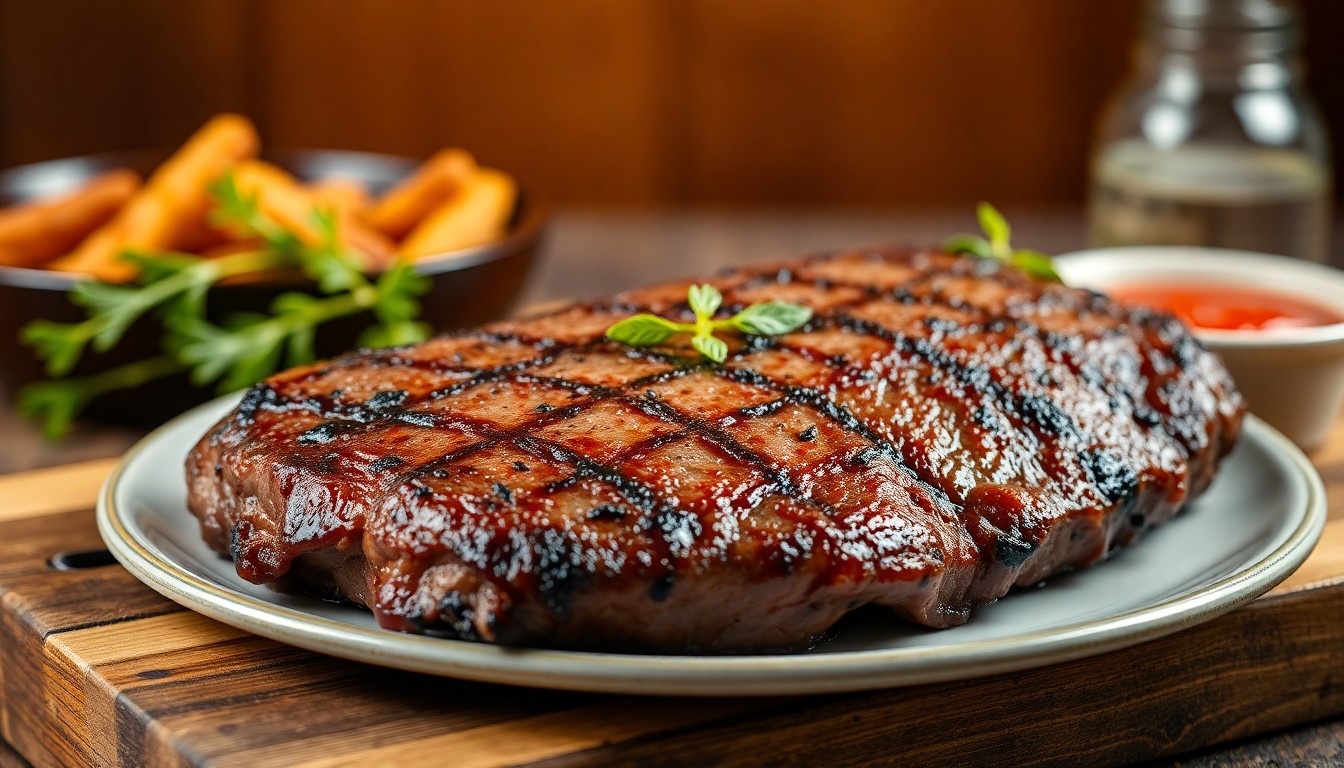
Welcome to Meat Only Living, where we explore the power of animal-based nutrition. If you’re committed to the carnivore diet, you likely already appreciate the incredible benefits of focusing on meat. But are you truly maximizing your nutritional intake? While steak, ground beef, and other muscle meats are fantastic foundations, there’s a whole world of nutritional powerhouses often overlooked: organ meats.
Beyond Muscle Meat: Why Organ Meats are Crucial on a Carnivore Diet
The Limitations of a Muscle Meat-Only Approach
While a diet consisting solely of muscle meat can be a significant improvement over the Standard American Diet, it may not provide the complete spectrum of nutrients your body needs for optimal health. Relying solely on muscle meat can lead to:
- Potential nutrient deficiencies (e.g., Vitamin A, Vitamin K2, certain B vitamins).
- Missing out on the unique benefits of organ meats, which contain compounds not found in significant amounts in muscle meat.
- The historical context: how traditional cultures prized offal. For generations, our ancestors consumed the entire animal, recognizing the concentrated nutrition within the organs.
The Nutrient Density Powerhouse: Understanding Organ Meat Profiles
Animal-based nutrition is all about maximizing nutrient intake from the most bioavailable sources. Organ meats are nature’s multivitamins, offering a concentrated dose of essential nutrients.
- General overview, benefits of animal-based nutrition. Provides readily absorbable forms of vitamins and minerals, supporting overall health and well-being.
- Breaking down key nutrients found abundantly in organ meats (vitamins, minerals, unique compounds) such as Vitamin A, B vitamins, iron, copper, CoQ10, and more.
- The importance of variety; not all organs are created equal. Each organ offers a unique nutritional profile, so incorporating a variety is key.
Embracing Nose-to-Tail Eating: Respecting the Whole Animal
The concept of nose-to-tail eating goes beyond just nutrition; it’s about honoring the animal and minimizing waste.
- The ethical and sustainable aspects of utilizing all parts. It’s a responsible way to consume animal products.
- Reducing waste and maximizing nutritional intake. Every part of the animal offers something valuable.
- Connecting with traditional food practices. Our ancestors understood the importance of consuming the whole animal.
Unveiling the Superstars: A Guide to Different Organ Meats
Liver: The Undisputed King of Nutrient Density
Liver is often called nature’s multivitamin, and for good reason. It’s packed with essential nutrients in highly bioavailable forms.
- Vitamin A (retinol) profile and its importance. Crucial for vision, immune function, and skin health.
- B Vitamins, especially B12, folate. Essential for energy production, nerve function, and DNA synthesis.
- Iron, copper, and other essential minerals. Vital for blood health, enzyme function, and overall well-being.
- Addressing concerns about Vitamin A toxicity (safe consumption guidelines). While Vitamin A toxicity is a valid concern, moderate consumption of liver from healthy animals is generally safe. Start with small portions (1-2 ounces) a few times a week.
Heart: A Muscle with a Mighty Nutritional Punch
While technically a muscle, the heart is often grouped with organ meats due to its unique nutritional profile.
- CoQ10 content and its benefits for cardiovascular health. A powerful antioxidant that supports heart function and energy production.
- Rich in B vitamins and minerals (iron, zinc). Essential for various bodily functions.
- Texture and taste profile (often similar to steak). A great option for those new to organ meats.
Kidney: A Mineral-Rich, Flavorful Option
Kidney is another nutritional powerhouse, particularly rich in certain minerals.
- Selenium content and its role in thyroid function. Crucial for thyroid hormone production and overall metabolic health.
- Good source of B vitamins and iron.
- Tips for preparing kidney to minimize strong flavors. Soaking in milk or salted water can help.
Brain: A Unique Source of DHA and Other Nutrients
Brain is a less commonly consumed organ, but it offers unique benefits, particularly for brain health.
- Importance of DHA for brain health (especially in a carnivore diet context). An essential fatty acid crucial for brain development and function.
- Other unique nutrients found in brain tissue.
- Sourcing and safety considerations (CJD risk discussion). While the risk of Creutzfeldt-Jakob disease (CJD) is extremely low, sourcing from reputable suppliers is crucial. Avoid consuming brain tissue from animals showing signs of neurological illness.
Other Notable Offal: Tongue, Tripe, Sweetbreads, and More
- Briefly describe the nutritional benefits of each. Tongue is rich in protein and zinc. Tripe (stomach lining) can be a good source of collagen. Sweetbreads (thymus and pancreas) are rich in vitamins and minerals.
- Offer basic preparation suggestions.
- Spleen, bone marrow. Spleen is high in iron. Bone marrow is rich in fat and nutrients, and when cooked, is easily spreadable.
Delicious and Easy Carnivore Recipes Featuring Organ Meats
Starting Simple: Easy Ways to Incorporate Liver
- Carnivore Recipe 1: Pan-Fried Liver with Onions (optional on a strict carnivore diet). Focus on sourcing high-quality grass-fed liver. Slice liver thinly, and pan-fry in tallow or butter until cooked through. Season with salt.
- Carnivore Recipe 2: Homemade Liver Pate (using butter/ghee, salt, and optional spices if tolerated). Blend cooked liver with butter or ghee and salt until smooth.
- Carnivore Recipe 3: Desiccated Liver Supplements (as an alternative for those who struggle with the taste). A convenient way to get the Benefits of liver without the taste.
Branching Out: Carnivore Recipes with Heart and Kidney
- Carnivore Recipe 4: Grilled Beef Heart Skewers (marinated in salt and rendered animal fat). Cut heart into cubes, marinate, and grill until cooked to your liking.
- Carnivore Recipe 5: Kidney Stew (slow-cooked with bone broth and salt). Slow-cook kidney with bone broth until tender.
- Carnivore Recipe 6: Ground heart mixed with ground beef. An easy way to incorporate heart into your regular meals.
More Adventurous Offal Dishes
- Carnivore Recipe 7: Braised Tongue (with bone broth and salt). Slow-cook tongue in bone broth until tender.
- Carnivore Recipe 8: Crispy Fried Tripe (if tolerated, some carnivores may avoid due to the lining). Cut tripe into strips and fry until crispy.
- Carnivore Recipe 9: Bone Marrow with salt. Roast bones with marrow until marrow is soft, and serve with salt.
Sourcing and Preparing Organ Meats Safely
Finding High-Quality Sources
- Importance of grass-fed, pasture-raised animals. These animals tend to have a better nutrient profile.
- Local butchers, farmers markets, and online retailers. These are good places to find high-quality organ meats.
- Considerations for wild-caught game organ meats. Wild game can be an excellent source of organ meats, but ensure proper handling and preparation.
Essential Preparation Techniques
- Soaking liver and kidney (to reduce strong flavors, if desired). Soaking in milk or salted water for a few hours can help mellow the flavor.
- Proper cooking temperatures for different organs. Ensure organs are cooked to a safe internal temperature.
- Storage and handling guidelines for freshness and safety. Store organ meats properly in the refrigerator or freezer.
Addressing Common Concerns
- Taste and texture aversions. Start by mixing in small amounts with ground beef, or try capsules.
- Cholesterol and purines. Dietary cholesterol has little impact on blood cholesterol for most people. Purines can be a concern for those with gout, talk to your doctor.
- The role in the diet. Organ meats compliment the diet, they do not need to be eaten daily, a few times a week is beneficial.
- How often to include. Start with small portions a few times a week and adjust based on your individual needs and preferences.
Frequently Asked Questions
I really don’t like the taste of liver. Are there any alternatives?
Yes! Desiccated liver capsules are a great option. You can also try mixing very finely ground liver into ground beef – you might not even notice it’s there! Experiment with different recipes and preparation methods to find What works best for you.
Are organ meats expensive?
Generally, organ meats are much less expensive than muscle meats. This makes them a very cost-effective way to boost your nutrient intake.
How often should I eat organ meats?
A few times a week is a good starting point for most people. Listen to your body and adjust as needed. Some people thrive on daily organ meat consumption, while others prefer a less frequent approach.
Where can I buy grass-fed organ meats?
Check with your local butcher, farmers market, or look for online retailers specializing in grass-fed and pasture-raised meats.
Conclusion
The carnivore diet, by focusing on animal products, offers a path to optimal health through readily available nutrients. Embracing organ meats takes this a step further, providing a concentrated source of vitamins, minerals, and unique compounds often missing in modern diets. By incorporating these nutritional powerhouses, you’re not only maximizing your nutrient intake but also embracing a more sustainable and respectful approach to eating. The nose-to-tail philosophy honors the entire animal, reduces waste, and connects us to traditional food wisdom. Start small, experiment with different recipes, and discover the incredible benefits of organ meats on your carnivore journey.