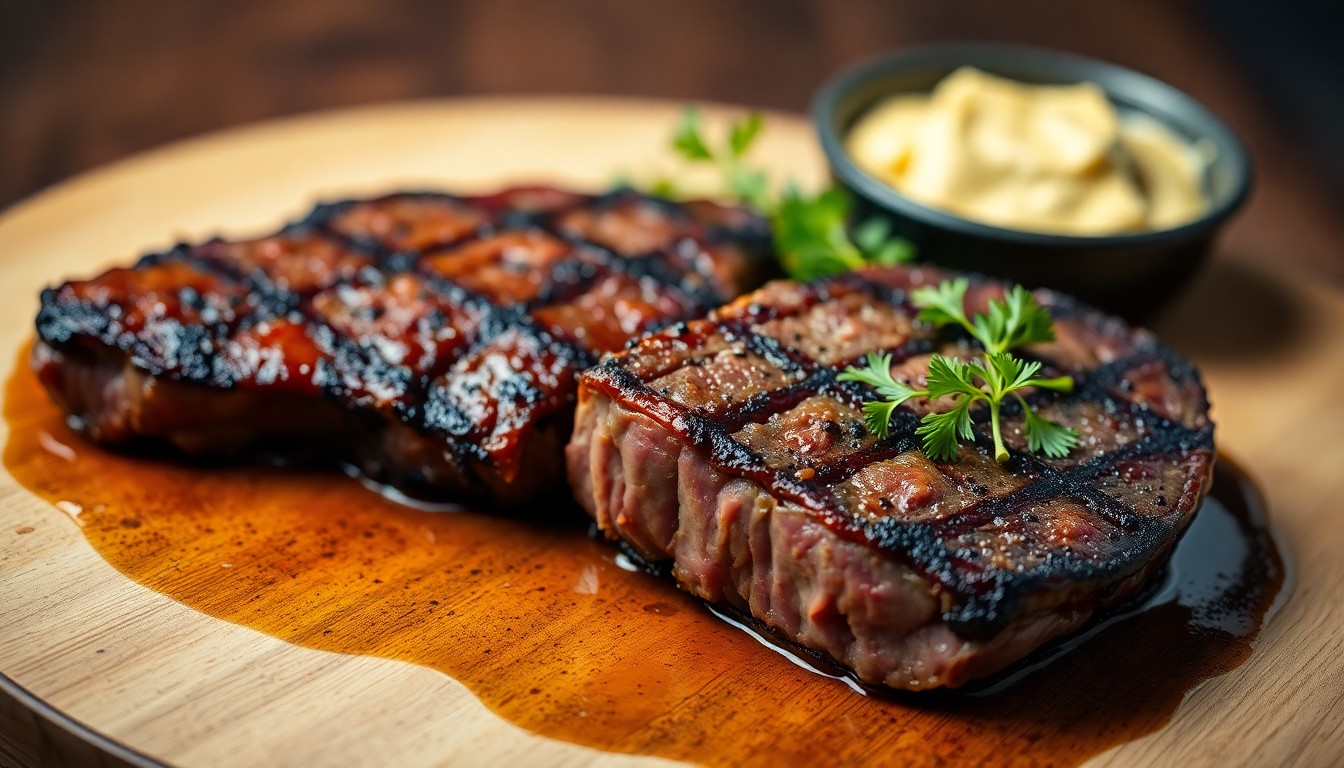
Introduction to the Carnivore Diet and Ketosis
What is the Carnivore Diet?
The Carnivore Diet is a way of eating that focuses exclusively on Animal-Based Nutrition. It’s a restrictive diet, but for many, it’s a powerful tool for improving health and well-being.
- Defining the Carnivore Diet: Exclusively Animal-Based Nutrition. This means consuming only animal products and eliminating all plant-based foods.
- Allowed Foods: Meat (beef, pork, lamb, game, poultry), Fish, Eggs, and potentially some dairy (depending on individual tolerance).
- Foods to Avoid: All plant-based foods. This includes fruits, vegetables, grains, legumes, nuts, seeds, and vegetable oils.
What is Ketosis?
Ketosis is a natural metabolic state that your body enters when it doesn’t have enough carbohydrates to burn for energy. Instead, it starts burning fat, producing molecules called ketones.
- Defining Ketosis: A metabolic state where the body primarily burns fat for fuel instead of glucose (sugar).
- Understanding Ketones: Ketones are the byproduct of fat breakdown and are used by the body and brain as an alternative energy source.
- The Shift from Glucose to Ketones: This metabolic switch occurs when carbohydrate intake is drastically reduced, forcing the body to tap into its fat reserves.
The Science Behind the Carnivore Diet and Ketosis
How the Carnivore Diet Induces Nutritional Ketosis
The Carnivore Diet is a highly effective way to induce Nutritional Ketosis because it completely eliminates carbohydrates.
- Eliminating Carbohydrates: This is the key to entering ketosis. By removing all plant-based foods, you remove virtually all sources of carbohydrates from your diet.
- High Fat Intake: Animal products, especially fattier cuts of Meat, provide the necessary fuel source for fat metabolism. Your body needs fat to produce ketones.
- Adequate Protein Intake: Protein is crucial for maintaining muscle mass, especially during ketosis. While protein can be converted to glucose (through gluconeogenesis), this process is demand-driven and generally doesn’t interfere with ketosis on a Carnivore Diet if protein intake is appropriate.
Comparing the Carnivore Diet to the Keto Diet
Both the Carnivore Diet and the standard Keto Diet aim to achieve ketosis, but they have key differences.
- Similarities: Both diets focus on high fat, very low carbohydrate intake to induce ketosis.
- Differences: The Carnivore Diet is a stricter subset of the Keto Diet. While Keto allows for low-carb vegetables, nuts, and seeds, the Carnivore Diet excludes all plant-based foods.
- Choosing Between Carnivore and Keto: Factors to consider include personal preference, health goals, and tolerance to plant-based foods. Some people find the simplicity and restrictiveness of the Carnivore Diet easier to follow, while others prefer the variety of the Keto Diet.
Metabolic Benefits of the Carnivore Diet
Weight Management and Fat Loss
The Carnivore Diet can be a powerful tool for weight management and fat loss due to several factors.
- Increased Satiety: Protein and fat are highly satiating, meaning they help you feel full and satisfied for longer. This can lead to a natural reduction in calorie intake.
- Improved Insulin Sensitivity: By drastically reducing carbohydrate intake, the Carnivore Diet can improve insulin sensitivity, making it easier for your body to access and burn stored body fat.
- Enhanced Fat Burning: In ketosis, your body becomes incredibly efficient at burning fat for fuel, including stored body fat.
Blood Sugar Control and Type 2 Diabetes
The Carnivore Diet can have a profound impact on blood sugar control, making it potentially beneficial for individuals with type 2 diabetes or pre-diabetes.
- Stable Blood Glucose Levels: Minimizing carbohydrate intake prevents the significant blood sugar spikes and crashes associated with high-carbohydrate diets.
- Potential Reversal of Insulin Resistance: A Meat-Based Diet, by improving insulin sensitivity, may help reverse insulin resistance, the underlying cause of type 2 diabetes.
- Scientific Evidence and Studies: There is growing research supporting the use of very low-carbohydrate diets, including the Carnivore Diet, for managing and potentially reversing type 2 diabetes. However, it’s crucial to work with a healthcare professional if you have diabetes.
Improved Energy Levels and Mental Clarity
Many people report experiencing improved energy levels and mental clarity on the Carnivore Diet.
- Stable Energy Throughout the Day: Avoiding the highs and lows of carbohydrate consumption can lead to more consistent energy levels.
- Brain Function and Ketones: Ketones are a potential alternative fuel source for the brain, and some studies suggest they may improve cognitive function in certain individuals.
- Anecdotal Evidence vs. Scientific Research: While many people report significant improvements in energy and mental clarity, more research is needed to fully understand the mechanisms involved.
Potential Benefits for Autoimmune Conditions
Some individuals with autoimmune conditions have reported improvements in their symptoms on the Carnivore Diet.
- Eliminating Potential Triggers: Removing plant-based compounds that may exacerbate inflammation or trigger immune responses could be beneficial.
- Gut Health and the Carnivore Diet: The connection between the Carnivore Diet and gut health is complex and requires further research. Some propose that eliminating potentially irritating plant compounds can improve gut health, while others express concern about the lack of fiber.
- Important Note: If you have an autoimmune condition, it’s essential to consult with a healthcare professional before making any significant dietary changes.
Cardiovascular Health
- Debunking Myths about Red Meat and Cholesterol: Recent research challenges the long-held belief that red meat is inherently harmful to cardiovascular health. The context of the overall diet is crucial.
- Potential Benefits for HDL (Good) Cholesterol: Some studies show that ketogenic diets, and potentially the Carnivore Diet, can increase HDL cholesterol levels, which is generally considered beneficial.
- The Importance of Overall Dietary Quality and Individual Factors: The impact of the Carnivore Diet on cardiovascular health is likely influenced by various factors, including the quality of the meat consumed, individual genetics, and overall lifestyle.
Implementing the Carnivore Diet: A Practical Guide
Choosing Your Meats and Other Animal Products
The foundation of the Carnivore Diet is, of course, meat. Here’s a guide to choosing your animal products:
- Prioritizing Red Meat: Beef, lamb, pork, and game meats are excellent choices.
- Incorporating Fatty Cuts: Ribeye, brisket, chuck roast, and pork belly provide the necessary fat for ketosis.
- Organ Meats: Liver, kidney, heart, and other organ meats are incredibly nutrient-dense and should be included regularly (if tolerated).
- Fish and Seafood: Fatty fish like salmon, sardines, and mackerel are good sources of omega-3 fatty acids. Shellfish are also allowed.
- Eggs: Eggs are a complete protein source and a valuable addition to the Carnivore Diet.
- Dairy (Optional): High-fat, low-carb dairy options like butter, heavy cream, and hard cheeses may be tolerated by some individuals. However, dairy can be problematic for others, so it’s best to introduce it cautiously.
Meal Planning and Sample Meal Ideas
Meal planning on the Carnivore Diet is relatively simple.
- Simple Meal Structures: Focus on meat as the main component of each meal, and add animal-based fats as needed.
- Sample Meal Plans:
- Breakfast: Steak and eggs, bacon and eggs, or leftover meat from dinner.
- Lunch: Ground beef, burger patties, or a ribeye steak.
- Dinner: Roasted chicken, lamb chops, or a slow-cooked pork shoulder.
- Eating Out on the Carnivore Diet: Choose plain grilled meats (without sauces or marinades), burgers without the bun, and ask for butter or tallow for cooking.
Hydration and Electrolyte Balance
Staying hydrated and maintaining electrolyte balance is crucial on the Carnivore Diet.
- Importance of Water Intake: Drink plenty of water throughout the day to support ketosis and overall health.
- Electrolyte Supplementation: Sodium, potassium, and magnesium are often lost in greater quantities on a ketogenic diet. Supplementation may be necessary to prevent imbalances.
- Recognizing and Addressing Electrolyte Imbalances: Headaches, fatigue, muscle cramps, and constipation can be signs of electrolyte imbalances.
Dealing with the Keto Flu and other Possible side Effects.
- The Keto flu, is it applicable to the carnivore diet?: Yes, the keto flu is a set of symptoms some people experience when first entering ketosis, and it can occur on the carnivore diet as well.
- Managing Initial Side Effects: Fatigue, digestive issues, headaches, and irritability are common initial side effects. These usually subside within a few days to a week as your body adapts. Increasing electrolyte intake can help mitigate these symptoms.
- Long-Term Considerations: While many people thrive on the Carnivore Diet long-term, it’s important to be aware of potential nutrient deficiencies and to monitor your health regularly.
Transitioning to the Carnivore Diet
- Gradual vs. Cold Turkey Approach: Some people prefer to transition gradually by slowly eliminating plant-based foods, while others go cold turkey. Choose the approach that feels best for you.
- Listening to Your Body: Pay attention to your hunger cues, energy levels, and overall well-being. Adjust your food intake as needed.
- Tracking Progress: Monitoring your weight, energy levels, and other relevant metrics can help you assess your progress and make any necessary adjustments.
Potential Risks and Considerations of a Meat-Based Diet
Nutrient Deficiencies:
- Vitamin C and Fiber: These are two nutrients commonly associated with plant-based foods. While concerns about vitamin C deficiency on the Carnivore Diet are often overstated (meat contains some vitamin C, and the requirement may be lower in ketosis), it’s still important to be mindful. Fiber is not present in animal products.
- The Importance of Organ Meats: Organ meats are exceptionally rich in vitamins and minerals, including vitamin C. Including them regularly can help prevent deficiencies.
- Considering Supplementation (with professional guidance): In some cases, supplementation may be necessary to ensure adequate nutrient intake. Consult with a healthcare professional or a registered dietitian knowledgeable about the Carnivore Diet.
Gut Health and the Microbiome:
- The impact of eliminating plant-based fibers: The long-term effects of eliminating fiber on gut health are still being researched. Some individuals report improved gut health on the Carnivore Diet, while others experience digestive issues.
- Long-term effects on gut diversity: The Carnivore Diet may reduce gut microbiome diversity, which is generally considered undesirable. However, the significance of this is still unclear.
Environmental and Ethical Concerns:
- Sustainability of a Meat-Based Diet: The environmental impact of meat production is a significant concern. Choosing sustainably raised meat can help mitigate this.
- Ethical considerations of animal consumption: For some, the ethical implications of consuming only animal products are a major consideration.
Who Should Avoid the Carnivore Diet?
- Individuals with pre-existing kidney conditions: A high-protein diet may put additional strain on the kidneys.
- Pregnant or breastfeeding women: The nutritional needs during pregnancy and breastfeeding are complex, and the Carnivore Diet may not provide all the necessary nutrients.
- Individuals with specific dietary restrictions or allergies: If you have any dietary restrictions or allergies, consult with a healthcare professional before starting the Carnivore Diet.
- The importance of consulting with a healthcare professional: It’s crucial to discuss any significant dietary changes with your doctor, especially if you have any underlying health conditions.
The Carnivore Diet Long-Term: Sustainability and Success
Making the Carnivore Diet a Lifestyle
- Long-term adherence strategies.
- Finding a sustainable approach that works for you.
Monitoring and Adjusting Your Approach
- Regular check-ins with your healthcare provider.
- Adjusting your diet based on your individual needs and responses.
The Importance of Quality Sourcing
- Choosing grass-fed and pasture-raised meats.
- Prioritizing quality over quantity.
Combining the Carnivore Diet with Other Lifestyle Factors.
Exercise and physical activity.
Proper Sleep habits.
Stress reduction.
Frequently Asked Questions (FAQs)
Is the Carnivore Diet safe?
TheCarnivore Dietis a restrictive diet, and its long-term safety is still being researched. Many people report positive experiences, but it’s crucial to be aware of potential risks and to work with a healthcare professional, especially if you have any underlying health conditions.
Will I be deficient in nutrients on the Carnivore Diet?
Potential nutrient deficiencies are a concern on theCarnivore Diet. Including organ meats and, in some cases, supplementation can help mitigate this risk. Regular monitoring with a healthcare professional is recommended.
Can I eat fruit on the Carnivore Diet?
No, fruit is not allowed on theCarnivore Diet. The diet is strictly limited to animal products.
How much meat should I eat on the Carnivore Diet?
There’s no one-size-fits-all answer. Listen to your body’s hunger cues and eat until you are satisfied. Most people find they naturally eat less on theCarnivore Dietdue to the high satiety of protein and fat.
Can I drink coffee or tea on the Carnivore Diet?
Technically, coffee and tea are plant-based. Some strict carnivores avoid them, while others include them in moderation. If you choose to include them, avoid adding sugar or milk (unless it’s heavy cream).
Is the Carnivore Diet sustainable?
Many find it sustainable long-term, but it requires careful planning and attention to nutrient intake, quality of sourcing, and individual needs.
Conclusion
The Carnivore Diet offers a unique approach to unlocking ketosis and potentially experiencing a range of metabolic benefits. By focusing exclusively on animal-based nutrition, this meat-based diet eliminates carbohydrates, forcing the body to burn fat for fuel. This can lead to improved weight management, better blood sugar control, increased energy levels, and potential benefits for autoimmune conditions and cardiovascular health. However, it’s essential to approach the Carnivore Diet with careful consideration, addressing potential nutrient deficiencies, prioritizing quality sourcing, and consulting with a healthcare professional. By understanding the science behind nutritional ketosis and implementing the diet thoughtfully, you can explore its potential benefits while mitigating its risks. The Carnivore Diet, while restrictive, can be a powerful tool for those seeking a different approach to health and well-being, but it is not a one-size-fits-all solution and individual needs must be considered.