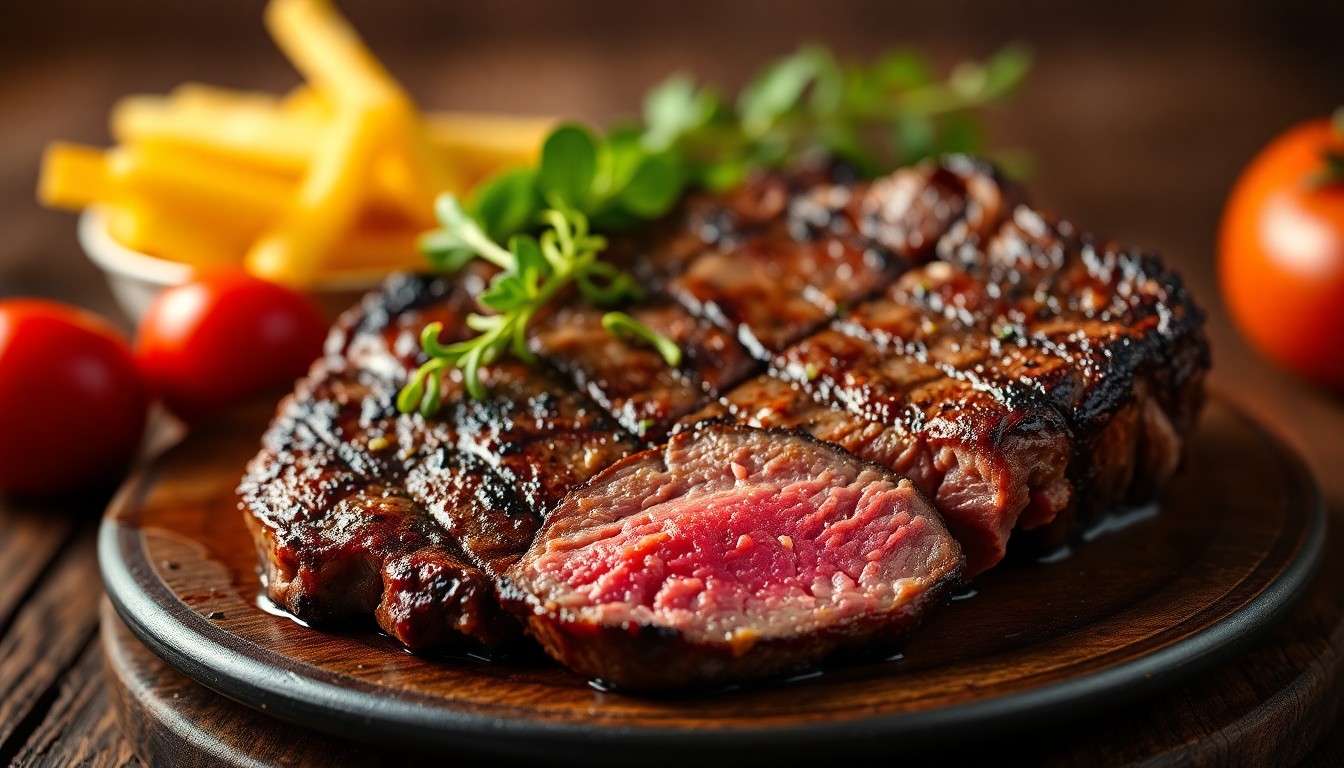
Introduction to the Carnivore Diet: What is a Meat-Only Diet?
Defining the Carnivore Diet: Beyond Just Eating Meat
The carnivore diet, at its core, is a dietary approach that focuses exclusively on consuming animal products. This means all types of meat, including beef, pork, lamb, poultry, and fish, form the foundation of your meals. It’s more than just eating meat; it’s a conscious choice to eliminate all plant-based foods from your diet.
While the strictest form of the meat-only diet includes only meat and water, variations exist. Some individuals incorporate dairy products (like cheese and heavy cream), eggs, and even certain animal-derived seasonings. The common thread, however, is the complete absence of plant-derived foods – no fruits, vegetables, grains, legumes, nuts, or seeds. This makes the carnivore diet inherently a zero carb diet.
The Historical and Evolutionary Context of an Animal-Based Diet
To understand the carnivore diet, it’s helpful to look back at our ancestral history. While the exact diets of our ancestors varied depending on geography and availability, there’s significant evidence suggesting that meat played a crucial role. Many anthropologists believe that the consumption of nutrient-dense animal foods contributed to the development of our larger brains and more complex cognitive abilities.
Some proponents of the animal-based diet argue that our digestive systems are better adapted to processing animal products than large quantities of plant matter. They point to the relatively short length of our digestive tracts compared to herbivores and the presence of stomach acid strong enough to break down animal proteins efficiently.
Potential Health Benefits of the Carnivore Diet
Weight Management and Body Composition
One of the most commonly reported benefits of the carnivore diet is weight loss. This is often attributed to several factors. Firstly, protein is highly satiating, meaning it helps you feel fuller for longer, reducing overall calorie intake. Secondly, the elimination of carbohydrates forces the body to enter a state of ketosis. In ketosis, your body switches from burning glucose (from carbohydrates) to burning fat for fuel. This can lead to significant fat loss.
Furthermore, the high protein intake on a carnivore diet helps preserve and even build lean muscle mass, even during weight loss. This is crucial for maintaining a healthy metabolism and overall body composition.
Improved Blood Sugar Control and Insulin Sensitivity
The zero carb nature of the carnivore diet has a profound impact on blood sugar levels. By eliminating carbohydrates, you remove the primary source of glucose spikes in the bloodstream. This can lead to more stable blood sugar levels and improved insulin sensitivity.
For individuals with type 2 diabetes or insulin resistance, the carnivore diet may offer significant benefits. Many people report being able to reduce or even eliminate their medication (under medical supervision, of course). However, it’s crucial to work closely with a healthcare professional to monitor blood sugar levels and adjust medications as needed.
Reduced Inflammation and Autoimmune Symptoms
While more research is needed, there’s growing anecdotal evidence and some emerging research suggesting that the carnivore diet may help reduce inflammation and alleviate symptoms of autoimmune conditions. Many individuals with conditions like rheumatoid arthritis, psoriasis, and Crohn’s disease report significant improvements in their symptoms after adopting a meat-only diet.
The potential mechanisms behind this are still being investigated. One theory is that eliminating plant-based foods removes potential irritants and allergens that can trigger inflammation in susceptible individuals. Another factor may be the increased intake of anti-inflammatory omega-3 fatty acids found in certain types of meat, particularly grass-fed beef and fatty fish.
Caution: It’s essential to emphasize that while these anecdotal reports are promising, more rigorous scientific research is needed to fully understand the effects of the carnivore diet on inflammation and autoimmune diseases.
Digestive Health and Gut Microbiome
It might seem counterintuitive, but many people experience improved digestive health on a meat-only diet. The common misconception is that fiber is essential for gut health. While fiber can be beneficial for some, it can also be a source of digestive distress for others, particularly those with conditions like irritable bowel syndrome (IBS) or Crohn’s disease.
By eliminating fiber and other potentially irritating plant compounds, the carnivore diet can give the digestive system a break, allowing it to heal and function more efficiently. Some individuals report a reduction in bloating, gas, and other digestive discomforts.
It’s important to note that the carnivore diet will significantly alter your gut microbiome. The bacteria that thrive on plant matter will decrease, while those that process animal products will increase. The long-term implications of this shift are still being studied.
Mental Clarity and Cognitive Function
The state of ketosis induced by the carnivore diet has been linked to improved brain function. Ketones, produced when the body burns fat for fuel, are an efficient energy source for the brain. Many people report experiencing increased mental clarity, focus, and sustained energy levels on a ketogenic diet.
Additionally, meat is rich in essential nutrients that are crucial for brain health benefits, including B vitamins, iron, zinc, and choline. These nutrients play vital roles in neurotransmitter production, cognitive function, and overall brain health.
Nutritional Considerations on a Meat-Only Diet
Essential Nutrients: Getting What You Need from Meat
One of the biggest concerns people have about the carnivore diet is whether it can provide all the necessary nutrition. The answer, surprisingly to some, is yes. Animal products, particularly when including organ meats, are incredibly nutrient-dense.
Meat is an excellent source of complete protein, providing all the essential amino acids your body needs. It’s also packed with B vitamins (especially B12, which is not found in plant foods), iron (in a highly bioavailable form), zinc, selenium, and other essential minerals.
Organ meats, such as liver, kidney, and heart, are nutritional powerhouses. They are significantly higher in vitamins and minerals than muscle meat, making them a crucial part of a well-rounded carnivore diet.
Addressing Potential Deficiencies
While a well-formulated carnivore diet can provide most essential nutrients, there are a few potential deficiencies to be aware of.
Vitamin C: Contrary to popular belief, you can obtain vitamin C from animal products, particularly from fresh, raw meat and organ meats. However, cooking can reduce vitamin C content. Some carnivores choose to supplement with vitamin C, while others find they get enough from their diet.
Electrolytes: When transitioning to a carnivore diet, your body may excrete more water and electrolytes (sodium, potassium, magnesium). It’s crucial to maintain electrolyte balance to avoid symptoms like fatigue, headaches, and muscle cramps. This can be achieved by consuming bone broth, adding salt to your meals, and potentially supplementing with electrolytes if needed.
Other Considerations: Depending on your individual needs and the specific animal products you consume, you may also want to monitor your calcium and vitamin D levels. Fatty fish is a good source of vitamin D, and bone broth can provide some calcium. Supplementation may be necessary for some individuals.
It is generally not nessecary to take suppliments on the carnivore diet. If you are eating a wide variety of animal products, most people will get everything they need.
The Importance of Meat Quality
The quality of the meat you consume on a carnivore diet is paramount. Grass-fed beef, for example, has a significantly different nutrient profile than grain-fed beef. It’s higher in omega-3 fatty acids, conjugated linoleic acid (CLA), and certain vitamins and antioxidants.
Whenever possible, choose high-quality, ethically raised meat. Look for grass-fed, pasture-raised, and organic options. This not only ensures better nutrition but also supports sustainable and humane farming practices.
Minimize your consumption of processed meats, such as bacon and sausage, as they often contain added sugars, nitrates, and other potentially harmful ingredients.
Getting Started with the Carnivore Diet: A Practical Guide
Transitioning to a Meat-Only Diet: A Gradual Approach
Switching to a meat-only diet can be a significant change for your body. It’s generally recommended to transition gradually to minimize potential side effects and allow your digestive system to adapt.
Start by slowly phasing out plant foods over a few weeks or months. Begin by eliminating processed foods, grains, and sugars. Then, gradually reduce your intake of fruits, vegetables, legumes, and nuts. Listen to your body and adjust the pace of your transition as needed.
During the transition, you may experience some keto flu symptoms, such as fatigue, headaches, irritability, and muscle cramps. These symptoms are usually temporary and can be mitigated by staying hydrated, consuming enough electrolytes, and getting adequate rest.
Building Your Carnivore Diet Meal Plan
A well-planned carnivore diet meal plan should include a variety of animal products to ensure you’re getting a wide range of nutrients. Here are some sample meal ideas:
- Breakfast: Eggs cooked in butter, steak, or leftover meat from dinner.
- Lunch: Ground beef patties, salmon, or chicken thighs.
- Dinner: Ribeye steak, roasted lamb, or pork chops.
Don’t be afraid to experiment with different cuts of meat and types of animal products. Include organ meats regularly, such as liver pate or pan-fried kidneys. Cooking methods can vary – grilling, roasting, pan-frying, and slow cooking are all great options. Use animal fats like tallow, lard, or butter for cooking. Season your food with salt, and if you tolerate them, you can also use spices.
Hydration and Electrolyte Balance
Adequate hydration is crucial on any diet, but it’s especially important on a carnivore diet. Drink plenty of water throughout the day. Aim for at least half your body weight in ounces of water per day.
As mentioned earlier, maintaining electrolyte balance is essential. Consume bone broth regularly, as it’s a good source of electrolytes. Add salt liberally to your meals. If you experience symptoms of electrolyte imbalance, consider supplementing with a high-quality electrolyte powder.
Portion Sizes: Finding the Right Balance
One of the Benefits of the carnivore diet is that you don’t typically need to count calories or meticulously track portion sizes. Focus on eating until you are satisfied, not stuffed. Your body’s natural hunger and satiety cues will guide you.
Potential Risks and Considerations
Long-Term Sustainability and Research
It’s important to acknowledge that there’s limited long-term research on the carnivore diet. Most of the available evidence is anecdotal or based on short-term studies. While many people thrive on a meat-only diet for extended periods, it’s crucial to monitor your health and make adjustments as needed.
The long-term effects of the carnivore diet on various aspects of health, such as cardiovascular health and gut microbiome diversity, are still being investigated. It’s essential to stay informed about the latest research and work with a healthcare professional to assess your individual risk factors.
Potential Side Effects and Contraindications
While many people experience positive results on the carnivore diet, some may experience side effects, particularly during the initial transition. These can include:
- Digestive Issues: Some individuals may experience constipation or diarrhea. Constipation can often be addressed by increasing fat intake and ensuring adequate hydration. Diarrhea may be a sign of fat malabsorption or intolerance to certain types of meat.
- Nutrient Deficiencies: If the diet is not well-planned, there’s a risk of developing nutrient deficiencies. This is why it’s crucial to consume a variety of animal products, including organ meats.
The carnivore diet may not be suitable for everyone. Individuals with certain medical conditions, such as kidney disease, should consult with a healthcare professional before making significant dietary changes. It’s always best to err on the side of caution and seek professional guidance.
Social and Environmental Considerations
The carnivore diet presents certain social and environmental challenges.
Environmental Impact: The environmental impact of meat consumption is a complex issue. While some argue that large-scale animal agriculture contributes to greenhouse gas emissions and deforestation, others point to the potential of regenerative grazing practices to improve soil health and sequester carbon. Choosing sustainably sourced meat from farms that prioritize ethical and environmentally responsible practices is crucial.
Social Challenges: Following a restrictive diet like the carnivore diet can present social challenges. Eating out at restaurants or attending social gatherings may require careful planning and communication. It’s important to be prepared to explain your dietary choices and find ways to navigate social situations while staying true to your goals.
Monitoring Your Progress and Making Adjustments
Tracking Your Health Benefits and Well-being
To assess the impact of the carnivore diet on your health, it’s helpful to track your progress. Keep a food journal to record what you eat and how you feel. Note any changes in your energy levels, sleep quality, digestive function, mood, and any other relevant symptoms.
Monitor key health markers, such as your weight, body composition, blood sugar levels (if applicable), and blood pressure. This will provide objective data to help you evaluate the effectiveness of the diet.
Working with a Healthcare Professional
Regular check-ups and blood tests are essential, especially when following a restrictive diet like the carnivore diet. Work with a healthcare professional who is knowledgeable about the carnivore diet or at least open-minded and willing to learn.
Share your food journal and health marker data with your healthcare provider. They can help you interpret the results, identify any potential issues, and make recommendations for adjustments to your diet or supplementation.
Making Adjustments Based on Your Individual Needs
The carnivore diet is not a one-size-fits-all approach. It’s crucial to recognize that what works for one person may not work for another. Be open to modifying the diet based on your body’s response and your individual needs.
If you experience persistent negative side effects or your health markers deteriorate, it may be necessary to make adjustments. This could involve changing the types of meat you consume, adjusting your fat intake, adding supplements, or even reintroducing certain plant foods.
The goal is to find a sustainable and enjoyable way of eating that supports your overall health and well-being.
Conclusion
The carnivore diet offers a unique approach to nutrition, with potential benefits for weight management, blood sugar control, inflammation, digestive health, and mental clarity. By focusing on nutrient-dense animal products and eliminating plant-based foods, many individuals experience significant improvements in their overall health and well-being. Key benefits include the promotion of ketosis for fat burning, stable blood sugar levels due to the zero carb approach, and the potential for reduced inflammation through the elimination of plant-based irritants. It’s also important to be mindful of nutrient intake, meat quality, and potential side effects. A gradual transition, careful monitoring, and working with a healthcare professional are essential for success on a meat-only diet. Ultimately, the carnivore diet is a powerful tool that, when implemented thoughtfully, can unlock significant health benefits and help you thrive.
Frequently Asked Questions
Is the carnivore diet safe?
The carnivore diet is generally considered safe for most people, but it’s essential to consult with a healthcare professional before starting, especially if you have any underlying health conditions. Long-term safety is still being researched.
Will I get enough nutrients on a carnivore diet?
Yes, you can get all the essential nutrients your body needs from animal products, particularly if you include organ meats. However, it’s crucial to pay attention to potential deficiencies and consider supplementation if necessary.
Can I eat fruit on a carnivore diet?
No, fruit is not allowed on a strict carnivore diet. The diet eliminates all plant-based foods.
What about fiber? Don’t I need fiber for digestion?
While fiber can be beneficial for some, it’s not essential for everyone. Many people experience improved digestion on a carnivore diet without fiber.
Can I drink coffee or tea on a carnivore diet?
Strict carnivores typically avoid coffee and tea, as they are derived from plants. However, some individuals tolerate them in moderation. It’s a personal choice.
Is the carnivore diet expensive?
The cost of the carnivore diet can vary depending on the types of meat you choose and where you source them. Buying in bulk, choosing less expensive cuts of meat, and utilizing organ meats can help make it more affordable.