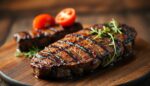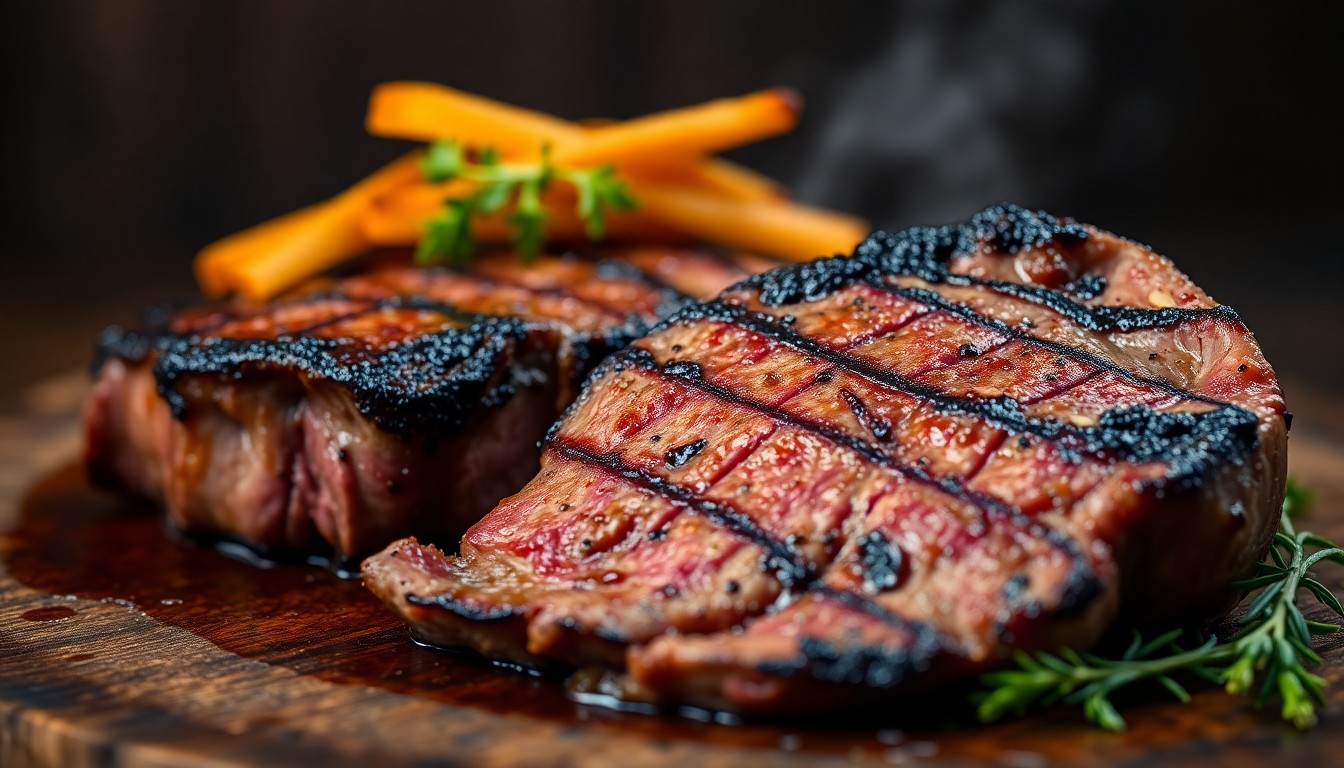
Meat day after day. This post is here to break you out of that monotony and show you the incredible culinary potential of an all-meat lifestyle.
Embracing the Carnivore Lifestyle: More Than Just Ground Beef
What is the Carnivore Diet? A Quick Recap
The carnivore diet, at its core, is an all-meat diet. It’s a restrictive elimination diet that focuses exclusively on animal products. The core principle is simple: consume only meat, animal fats, salt, and water. That means no fruits, vegetables, grains, legumes, nuts, or seeds.
Allowed foods include all types of meat (beef, pork, poultry, lamb, game), fish and seafood (for those who choose to include it), eggs, and animal fats like tallow, lard, and butter (from grass-fed sources is preferred by some). Many proponents stick to just water, while others include bone broth.
While we won’t make any definitive medical claims, many people report experiencing benefits such as weight loss, improved digestion, reduced inflammation, and increased mental clarity. It’s important to remember that individual results vary, and it’s always wise to consult with a healthcare professional before making significant dietary changes.
Debunking the Boring Carnivore Diet Myth
One of the biggest misconceptions about the carnivore diet is that it’s inherently boring. Steak and water, day in and day out, is a common, and inaccurate, refrain. The truth is, the world of meat is incredibly diverse! Think beyond ground beef and consider the sheer variety of animals, cuts, and carnivore cooking techniques available.
We have different types of beef (ribeye, sirloin, brisket, short ribs), pork (belly, shoulder, chops, tenderloin), poultry (chicken, turkey, duck, goose), lamb, and even game meats like venison and elk. And that’s just scratching the surface! Furthermore, each cut can be prepared in countless ways: roasting, grilling, pan-searing, slow-cooking, braising, and more. The possibilities are truly vast.
Expanding Your Carnivore Culinary Horizons: Diverse Meat Recipes
Let’s dive into some specific meat recipes to showcase the versatility of the carnivore diet.
Poultry Power: Chicken and Beyond
Crispy Roasted Chicken Thighs (Meat recipe)
Ingredients:
- Bone-in, skin-on chicken thighs
- Salt
Instructions:
- Preheat your oven to 425°F (220°C).
- Pat the chicken thighs dry with paper towels. This is crucial for crispy skin!
- Generously salt the chicken thighs on all sides.
- Place the thighs on a wire rack set over a baking sheet. This allows for air circulation and even cooking.
- Roast for 45-55 minutes, or until the internal temperature reaches 165°F (74°C) and the skin is golden brown and crispy.
- Let rest for 10 minutes before serving.
Tips for Crispy Skin: The key is dryness! Make sure to thoroughly pat the chicken dry. You can also let the thighs air dry, uncovered, in the refrigerator for a few hours before cooking. Don’t overcrowd the baking sheet.
Turkey Meatballs with Bone Broth Gravy
Ingredients:
- Ground turkey
- Salt
- Bone broth
Instructions:
- Preheat oven to 400°F (200°C).
- In a bowl, combine ground turkey and salt. Mix well.
- Roll the mixture into 1-inch meatballs.
- Place meatballs on a baking sheet.
- Bake for 20-25 minutes, or until cooked through.
- While meatballs are baking, heat bone broth in a saucepan over medium heat.
- Once meatballs are cooked, add them to the bone broth. Simmer for 5 minutes to allow the flavors to meld.
Emphasis on Bone Broth: Bone broth is a nutritional powerhouse, rich in collagen, gelatin, and minerals. It adds depth of flavor and valuable nutrients to this simple dish.
Duck Breast with Rendered Fat
Ingredients:
- Duck breast, skin on.
- Salt
Instructions:
- Score the duck skin in a crosshatch pattern, being careful not to cut into the flesh.
- Generously salt the duck breast on both sides.
- Place the duck breast skin-side down in a cold pan.
- Turn the heat to medium-low.
- As the pan heats up, the fat will begin to render. Cook slowly, allowing the fat to render out and the skin to crisp up. This may take 15-20 minutes.
- Pour off the rendered fat periodically into a heat-safe container (save this for later use!).
- Once the skin is crispy and golden brown, flip the duck breast and cook for another 3-5 minutes, or until the internal temperature reaches your desired doneness (medium-rare is recommended).
- Let rest for 10 minutes before slicing and serving.
Rendering Instructions: The key to rendering duck fat is low and slow heat. This allows the fat to melt gradually without burning the skin. The rendered duck fat is a delicious and flavorful cooking fat.
The Wonderful World of Pork: From Belly to Chops
Slow-Cooker Pork Shoulder (Carnivore cooking)
Ingredients:
- Bone-in or boneless pork shoulder (Boston butt)
- Salt
Instructions:
- Generously salt the pork shoulder on all sides.
- Place the pork shoulder in a slow cooker.
- Cook on low for 8-10 hours, or on high for 4-6 hours, or until the pork is very tender and easily pulls apart.
- Remove the pork from the slow cooker and shred with two forks.
Serving Suggestions: This makes incredibly tender pulled pork, perfect for a simple and satisfying meal. You can eat it as is, or use it as a base for other meals throughout the week.
Pan-Seared Pork Chops with Salt and Pepper
Ingredients:
- Thick-cut pork chops (bone-in or boneless)
- Salt
- Animal Fat (Tallow, Lard)
Instructions:
- Pat the pork chops dry with paper towels.
- Generously salt the pork chops on both sides.
- Heat a heavy-bottomed skillet (cast iron is ideal) over medium-high heat. Add some animal fat.
- Once the skillet is hot, add the pork chops.
- Sear for 3-4 minutes per side, or until a nice crust forms.
- Reduce the heat to medium and continue cooking until the internal temperature reaches 145°F (63°C).
- Let rest for 5-10 minutes before serving.
Tips for a Perfect Sear: A hot pan and dry pork chops are essential for achieving a good sear. Don’t overcrowd the pan, as this will lower the temperature and prevent browning.
Crispy Pork Belly Bites
Ingredients:
- Pork Belly, cut in 1-inch cubes.
- Salt.
Instructions:
- Preheat oven to 400°F (200°C).
- In a bowl, toss the pork belly bites with salt.
- Spread the pork belly in a single layer on a baking sheet.
- Bake for 30-40 minutes, flipping halfway through, until crispy and golden brown.
Appealing to Fatty Cuts: Pork belly is a rich, fatty cut that becomes incredibly crispy and flavorful when cooked properly. It’s a great option for those who enjoy a higher fat intake on the carnivore diet.
Beef Beyond the Basics: Exploring Different Cuts
Reverse-Seared Ribeye Steak
Ingredients:
- Thick-cut ribeye steak (at least 1.5 inches thick)
- Salt
- Animal Fat (Tallow, Lard)
Instructions:
- Preheat your oven to 275°F (135°C).
- Generously salt the steak on all sides.
- Place the steak on a wire rack set over a baking sheet.
- Bake in the oven until the internal temperature reaches 125-130°F (52-54°C) for medium-rare. This will take some time, depending on the thickness of the steak. Use a meat thermometer!
- Remove the steak from the oven and let it rest for 10 minutes.
- Heat a heavy-bottomed skillet (cast iron is ideal) over high heat. Add some animal fat.
- Once the skillet is smoking hot, sear the steak for 1-2 minutes per side, or until a deep brown crust forms.
- Let rest for another 5 minutes before slicing and serving.
Detailed Instructions for Doneness: The reverse sear method involves cooking the steak slowly at a low temperature first, then searing it quickly at a high temperature. This results in a more evenly cooked steak with a perfect crust.
Beef Liver Pâté (Animal-based diet staple)
Ingredients:
- Beef liver
- Animal Fat (Tallow, Lard, Butter)
- Salt
Instructions:
- Soak the liver in cold water or milk for at least 30 minutes (this helps to reduce the strong flavor).
- Rinse the liver and pat it dry.
- Cut the liver into small pieces.
- Heat a skillet over medium heat. Add some animal fat.
- Add the liver to the skillet and cook until browned on all sides but still slightly pink in the center.
- Remove the liver from the skillet and let it cool slightly.
- Place the cooked liver, salt, and a generous amount of additional animal fat (butter works well here) in a food processor.
- Process until smooth and creamy.
- Transfer the pâté to a container and refrigerate for at least 2 hours to allow it to firm up.
Addressing Nutritional Density: Organ meats, like liver, are incredibly nutrient-dense. They are packed with vitamins, minerals, and other essential nutrients. This pâté is a palatable way to incorporate liver into your diet.
Braised Short Ribs
Ingredients:
- Beef short ribs
- Salt
- Bone Broth
Instructions:
- Preheat your oven to 325°F (160°C).
- Generously salt the short ribs on all sides.
- Heat a large, oven-safe pot or Dutch oven over medium-high heat. Add some animal fat.
- Sear the short ribs on all sides until browned.
- Remove the short ribs from the pot.
- Pour enough bone broth into the pot to come about halfway up the sides of the short ribs.
- Return the short ribs to the pot.
- Cover the pot and transfer it to the oven.
- Braise for 2.5-3 hours, or until the short ribs are very tender and fall off the bone.
Slow-Cooking for Enhanced Flavor: Braising is a slow-cooking method that involves cooking meat in liquid at a low temperature. This results in incredibly tender and flavorful meat.
Seafood Sensations (for those who include it)
Pan-Seared Salmon with Salt and Pepper
Ingredients:
- Salmon fillets (skin on or off)
- Salt
- Animal Fat (Tallow, Lard, Butter)
Instructions:
- Pat the salmon fillets dry with paper towels.
- Generously salt the salmon on both sides.
- Heat a skillet over medium-high heat. Add some animal fat.
- Once the skillet is hot, add the salmon fillets (skin-side down if using skin-on fillets).
- Cook for 3-4 minutes per side, or until the salmon is cooked through and flakes easily with a fork.
Tips for Avoiding Overcooking: Salmon cooks quickly, so be careful not to overcook it. It’s better to slightly undercook it than to overcook it, as it will continue to cook from the residual heat.
Butter-Poached Shrimp
Ingredients:
- Shrimp (peeled and deveined)
- Butter (from grass-fed sources is preferred)
- Salt
Instructions:
- Melt a generous amount of butter in a saucepan over low heat.
- Add the shrimp to the melted butter.
- Season with salt.
- Cook gently, stirring occasionally, until the shrimp are pink and opaque, about 3-5 minutes.
Highlighting Animal Fats: Butter adds richness and flavor to this simple dish. It’s a great way to incorporate healthy animal fats into your diet.
Grilled Sardines
Ingredients:
- Fresh Sardines.
- Salt.
Instructions:
- Preheat grill to medium-high.
- Clean and gut the sardines (if not already done).
- Rinse the sardines and pat them dry.
- Generously salt the sardines.
- Grill for 2-3 minutes per side, or until cooked through.
Addressing Overlooked Benefits: Sardines are a nutritional powerhouse, packed with omega-3 fatty acids, calcium, and vitamin D. They are also a sustainable and economical seafood option.
Carnivore Meal Prep: Mastering the Art of Meat-Only Meals
Why Carnivore Meal Prep is Essential
Carnivore meal prep is a game-changer for anyone following an all-meat diet. It offers numerous benefits:
- Saves Time and Reduces Decision Fatigue: Having pre-cooked meals ready to go eliminates the daily what should I eat? dilemma.
- Ensures Adherence to the Carnivore Diet: When you have readily available carnivore-friendly meals, you’re less likely to stray from your plan.
- Helps Control Portion Sizes and Macronutrient Intake: Pre-portioning your meals helps you manage your intake effectively.
- Reduces the Temptation to Eat Non-Carnivore Foods: Having a fridge full of delicious, prepared meat makes it much easier to resist cravings.
Setting Up Your Carnivore Kitchen
To make carnivore meal prep efficient, you’ll need a few essentials:
- Large Freezer: Essential for storing bulk meat purchases.
- Good Knives: A sharp chef’s knife and a boning knife are invaluable.
- Meat Thermometer: Ensures your meat is cooked to the perfect doneness.
- Storage Containers: Glass or BPA-free plastic containers for storing cooked meat.
- Large Cutting Board.
Stocking Up: Consider buying meat in bulk from local butchers, farmers markets, or online retailers. This can save you money and ensure you always have a supply of high-quality meat on hand. Don’t forget to stock up on salt!
Organization: Organize your freezer and refrigerator to make it easy to find what you need. Label containers with the contents and date.
Batch Cooking Strategies for the All-Meat Diet
Batch cooking is the cornerstone of carnivore meal prep. Here are some ideas:
- Roast a Large Cut of Meat: A whole chicken, pork shoulder, or beef roast can provide multiple meals.
- Cook Multiple Steaks or Burgers: Grill or pan-sear several steaks or burgers at once.
- Make a Large Batch of Bone Broth: Bone broth is a staple on the carnivore diet and can be used in various recipes or consumed on its own.
- Prepare Ground Beef in Bulk: Brown a large quantity of ground beef and use it in different dishes throughout the week.
Storing and Reheating Cooked Meat
Proper storage is crucial for maintaining the quality and safety of your cooked meat.
- Storage Containers: Use airtight containers to prevent drying and contamination.
- Safe Thawing: Thaw frozen meat in the refrigerator overnight, or use the defrost setting on your microwave.
- Reheating Techniques: Reheat meat gently to avoid overcooking. A low oven temperature, a skillet with a little added fat, or a quick sear in a hot pan are good options.
- Preventing Dryness: Adding a little bone broth or rendered fat when reheating can help prevent dryness.
Sample Carnivore Meal Prep Plans
Beginner-Friendly Plan (3 days)
- Day 1: Roasted Chicken Thighs (cook enough for 3 days), Salt.
- Day 2: Chicken Thighs (reheated), Salt.
- Day 3: Chicken Thighs (reheated), Salt.
Intermediate Plan (5 days)
- Day 1: Slow-Cooker Pork Shoulder, Salt.
- Day 2: Pulled Pork (from Day 1), Salt.
- Day 3: Pan-Seared Pork Chops, Salt.
- Day 4: Pulled Pork (leftover), Salt.
- Day 5: Pan-Seared Pork Chops (leftover), Salt.
Advanced Plan (7 days)
- Day 1: Reverse-Seared Ribeye Steak, Salt.
- Day 2: Beef Liver Pâté, Ribeye Steak (leftover), Salt.
- Day 3: Braised Short Ribs, Salt.
- Day 4: Short Ribs (reheated), Salt.
- Day 5: Pan-Seared Salmon, Salt.
- Day 6: Butter-Poached Shrimp, Salt.
- Day 7: Short Ribs/Salmon/Shrimp (Leftovers), Salt.
Troubleshooting and Tips for Long-Term Carnivore Success
Dealing with Cravings on an Animal-Based Diet
Cravings for non-carnivore foods can occur, especially in the initial stages. Here are some strategies:
- Ensure Adequate Fat Intake: Fat is satiating and can help curb cravings.
- Electrolyte Balance: Cravings can sometimes be a sign of electrolyte imbalance. Make sure you’re getting enough salt.
- Distraction: Engage in activities that take your mind off food.
- Remember Your Why: Remind yourself of the reasons you chose the carnivore diet.
Listening to Your Body
The carnivore diet is not a one-size-fits-all approach. Pay attention to your body’s signals:
- Adjust Portion Sizes: Eat until you’re satisfied, but not overly full.
- Vary Meat Choices: Experiment with different types of meat to find what works best for you.
- Recognize Satiety: Learn to distinguish between true hunger and boredom or emotional eating.
Sourcing High-Quality Meat
The quality of your meat matters:
- Local Butchers and Farms: These are often excellent sources of high-quality, ethically raised meat.
- Meat Grades and Labels: Understand the difference between terms like grass-fed, pasture-raised, and organic.
- Grass-Fed and Pasture-Raised: Many carnivore dieters prefer grass-fed and pasture-raised options due to their superior nutrient profile and ethical considerations.
Staying Hydrated: Water intake tips
- Importance of water: Water is fundamental on any diet, but particularly on the carnivore diet.
- Dehydration Risks: The carnivore diet can have a diuretic effect, especially in the beginning, increasing the risk of dehydration.
- Recommendations: Drink water throughout the day, and consider adding electrolytes if you’re feeling lightheaded, fatigued, or experiencing muscle cramps.
Considerations about Salt
- Importance of Salt: Salt is crucial on the carnivore diet as it helps to balance electrolytes and prevent deficiencies. Without carbohydrates, the body excretes more sodium.
- Quality: Choose unrefined salts like sea salt or Himalayan pink salt, which contain trace minerals.
- Quantity: Salt your food to taste. Don’t be afraid to use salt liberally, especially in the beginning. Listen to your body’s cues.
Conclusion
The carnivore diet, while seemingly simple, offers a surprising amount of culinary variety and potential health benefits. By embracing different cuts of meat, experimenting with carnivore cooking techniques, and mastering the art of carnivore meal prep, you can create delicious and satisfying meat-only meals that support your health goals. Remember to listen to your body, source high-quality meat, and enjoy the journey of exploring the world of meat-only living!
Frequently Asked Questions (FAQs)
Can I eat eggs on the carnivore diet?
Yes, eggs are allowed on the carnivore diet and are a great source of nutrients.
Is coffee allowed on the carnivore diet?
Strict carnivores typically avoid coffee. Some people find they can tolerate it, while others experience negative effects. It’s a personal choice based on your body’s response.
What about dairy?
Some carnivores include full-fat, high-quality dairy like butter, ghee, and heavy cream. Others find they are sensitive to dairy and avoid it. Again, listen to your body.
How do I get enough vitamins and minerals on a carnivore diet?
Meat, especially organ meats, is incredibly nutrient-dense. A well-planned carnivore diet that includes a variety of cuts should provide all the essential nutrients.
Will I experience any side effects when starting the carnivore diet?
Some people experience temporary side effects like fatigue, headaches, and digestive changes (often called the keto flu) as their body adapts. These usually subside within a few days or weeks. Ensuring adequate salt and water intake can help mitigate these effects.