Welcome to Meat Only Living, your go-to resource for all things carnivore! If you’re intrigued by the idea of a diet centered entirely around animal products, you’ve come to the right place. This post will delve into the world of zero-carb eating, providing you with delicious carnivore recipes, practical meal planning tips, and essential Meat cooking techniques to help you thrive on an all meat diet.
Introduction: Embracing the Meat-Only Diet
The carnivore diet, also known as a zero-carb or meat-only diet, is gaining popularity for its potential health benefits and simplicity. It’s a radical departure from conventional dietary advice, focusing solely on animal products and eliminating all plant-based foods. This approach challenges many long-held beliefs about nutrition, but proponents report significant improvements in various aspects of their health.
What is a Zero-Carb/Carnivore Diet?
Let’s break down exactly what this dietary approach entails.
Defining the Meat-Only Diet: Beyond Keto
While the ketogenic diet is low-carb, the carnivore diet takes it a step further. Keto allows for low-carb vegetables, nuts, and seeds, whereas the carnivore diet strictly prohibits all plant matter. It’s a purely animal-based diet, focusing on meat, fish, eggs, and sometimes, certain dairy products (depending on the individual’s tolerance and approach).
All Meat Diet Principles: What You Can and Can’t Eat
The rules are simple: eat animal products, avoid everything else. This includes:
- Allowed: Beef, lamb, pork, poultry, fish, seafood, eggs, bone broth, and potentially some dairy (like hard cheeses and heavy cream, depending on your chosen level of restriction).
- Not Allowed: Fruits, vegetables, grains, legumes, nuts, seeds, sugars, processed foods, vegetable oils, and any other plant-derived food.
The Carnivore Diet and Nutritional Completeness: Addressing Common Concerns
A common question is whether a meat-only diet can provide all necessary nutrients. While it might seem restrictive, proponents argue that animal products, especially when including organ meats, are incredibly nutrient-dense. They contain essential vitamins, minerals, and fatty acids required for optimal health. However, it’s crucial to listen to your body and consult with a healthcare professional, especially if you have pre-existing conditions.
Benefits of a Zero-Carb, Meat-Only Diet
Many individuals report experiencing various benefits from adopting a carnivore diet. It’s important to note that much of the evidence is anecdotal, and more research is needed. However, here are some commonly reported benefits:
Potential Weight Loss and Body Composition Changes
The high protein and fat content of the carnivore diet can promote satiety, leading to reduced calorie intake and potential weight loss. Additionally, eliminating carbohydrates can lead to a reduction in water weight and improved body composition for some individuals.
Improved Digestive Health (For Some)
Some people with digestive issues, such as irritable bowel syndrome (IBS) or Crohn’s disease, report significant symptom improvement on a carnivore diet. This may be due to the elimination of potentially irritating plant compounds and fibers.
Potential Reduction in Inflammation
Animal products are generally low in inflammatory compounds, unlike some plant-based foods. This may contribute to a reduction in inflammation for some individuals, potentially alleviating symptoms of autoimmune conditions.
Mental Clarity and Focus: Anecdotal Evidence
Many carnivore dieters report experiencing increased mental clarity, focus, and energy levels. This may be related to stable blood sugar levels and the absence of processed foods and sugars.
Mastering Meat Cooking: Essential Techniques
Now, let’s get to the heart of the matter: cooking delicious meat! Mastering a few basic techniques will elevate your carnivore cooking game.
Choosing the Right Cuts of Meat
Different cuts of meat offer varying levels of fat, tenderness, and flavor. Experiment with different cuts to find your favorites. Fatty cuts like ribeye, New York strip, and pork belly are popular choices, but leaner cuts like sirloin and chicken breast can also be incorporated.
Searing: Achieving the Perfect Crust
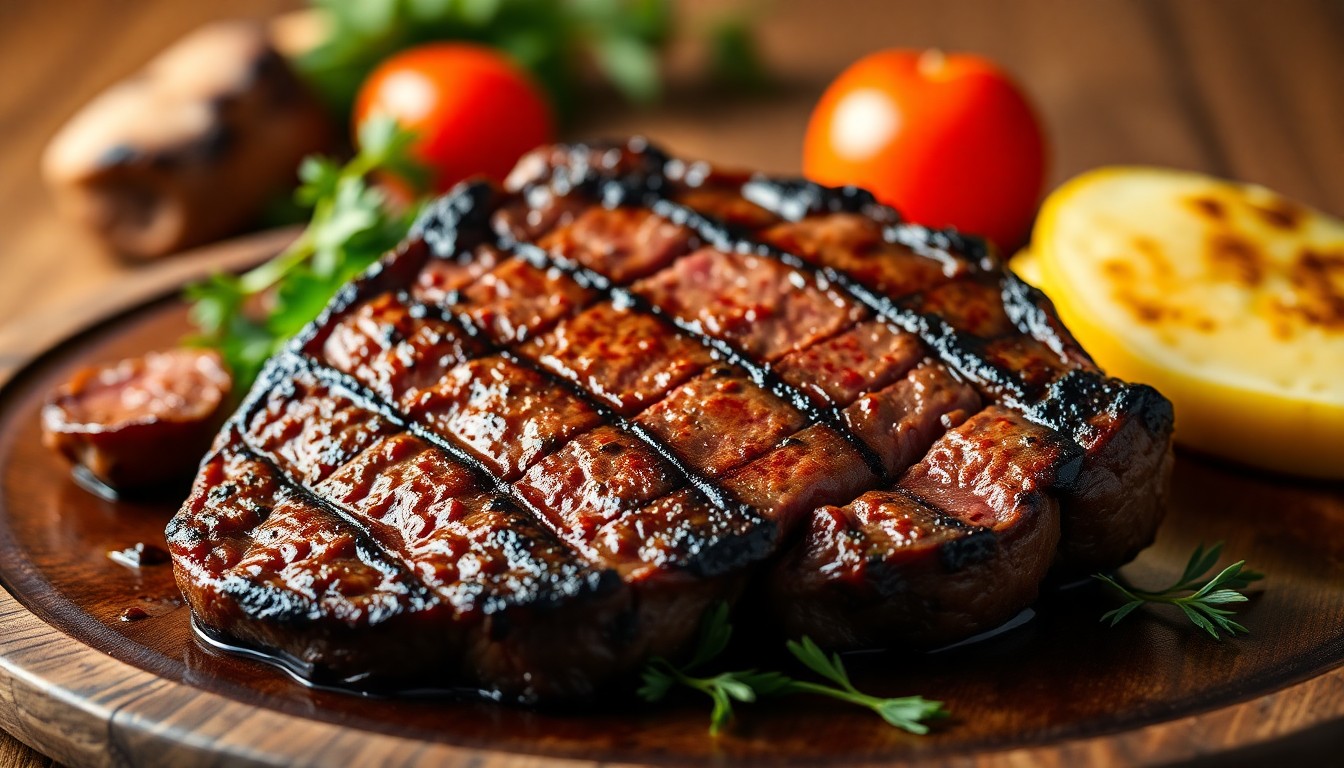
Searing is crucial for developing a flavorful crust on your meat. Use a hot pan (cast iron is ideal) and high heat to quickly brown the surface of the meat, creating a Maillard reaction that enhances flavor and texture.
Roasting: For Larger Cuts and Tender Results
Roasting is perfect for larger cuts of meat like roasts, whole chickens, or turkeys. It involves cooking the meat in the oven at a moderate temperature, resulting in tender and juicy results.
Grilling: Adding Smoky Flavor
Grilling imparts a delicious smoky flavor to your meat. Use direct heat for thinner cuts and indirect heat for thicker cuts to ensure even cooking.
Slow Cooking: Breaking Down Tougher Cuts
Slow cooking is ideal for tougher cuts of meat like brisket, chuck roast, or pork shoulder. It involves cooking the meat at a low temperature for an extended period, breaking down the connective tissue and resulting in incredibly tender and flavorful meat.
Reverse Searing: Combining Techniques for Optimal Results
Reverse searing combines slow cooking (or baking at a low temperature) with a final sear. This method ensures the meat is cooked evenly throughout and develops a beautiful crust.
Ground Meat Cooking: Burgers, Meatloaf, and More
Ground meat offers versatility. Simple burgers, seasoned with salt, are a staple. You can form the ground meat into patties and cook them in a pan, on a grill, or even in the oven. Meatloaf, without breadcrumbs or fillers, is another option; simply season the ground meat and bake until cooked through.
Zero-Carb Carnivore Recipes: Breakfast, Lunch, and Dinner
Let’s explore some simple and delicious carnivore recipes for each meal of the day.
Carnivore Recipes for Breakfast
Steak and Eggs: A Classic
A carnivore breakfast staple! Sear a steak to your liking and fry or scramble some eggs. Season with salt.
Ground Beef Scramble
Brown ground beef in a pan and season with salt. You can add some rendered fat for extra flavor and satiety.
Bone Broth
A nourishing and warming option, especially during colder months. Bone broth is rich in collagen and minerals.
Carnivore Recipes for Lunch
Leftover Steak Salad (No Veggies!)
Slice leftover steak and serve it cold or reheat it slightly. It’s a quick and easy lunch option.
Chicken or Turkey Breast (Skin-On)
Roast or grill chicken or turkey breast with the skin on for added flavor and fat.
Salmon or Other Fatty Fish
Salmon, mackerel, or sardines are excellent sources of omega-3 fatty acids. Grill, bake, or pan-fry them.
Carnivore Recipes for Dinner
Ribeye Steak with Rendered Fat
A classic carnivore dinner. Sear a ribeye steak and render some of the fat to drizzle over the top.
Lamb Chops with Rosemary and Salt
Season lamb chops with salt (and optionally, a little rosemary) and grill or pan-fry them to your desired doneness.
Pork Belly: Crispy and Delicious
Roast pork belly until the skin is crispy and the meat is tender. It’s a rich and flavorful option.
Roast Chicken or Duck
Roast a whole chicken or duck for a satisfying and flavorful meal. The crispy skin is a carnivore delight!
Meal Planning on a Meat-Only Diet
Effective meal planning is crucial for success on any diet, and the carnivore diet is no exception.
Creating a Weekly Carnivore Meal Plan
Plan your meals for the week, considering the types of meat you want to eat and the cooking methods you’ll use. This will help you stay organized and avoid impulsive food choices.
Batch Cooking for Efficiency
Cook large batches of meat on the weekend to save time during the week. Roast a whole chicken, cook a large batch of ground beef, or slow-cook a pork shoulder. This will provide you with ready-to-eat meals throughout the week.
Shopping List Essentials: Meat, Salt, and Water
Your shopping list will be incredibly simple: meat, salt, and water! Choose a variety of cuts of meat to keep things interesting and ensure you’re getting a range of nutrients.
Storing Meat Properly: Freezer and Refrigerator Tips
Store raw meat in the refrigerator for a few days or freeze it for longer storage. Thaw frozen meat in the refrigerator overnight.
Eating Out on a Carnivore Diet: Navigating Restaurant Menus
Eating out can be challenging, but it’s manageable. Look for steak, burgers (without the bun), grilled fish, or roasted chicken. Ask for your meal to be cooked without sauces or seasonings that may contain hidden sugars or plant-based ingredients. Plain grilled meat with salt is your safest bet.
Addressing Potential Challenges and Considerations
While the carnivore diet can be beneficial, it’s essential to be aware of potential challenges and considerations.
Electrolyte Balance: Importance of Salt and Potential Supplementation
When you eliminate carbohydrates, your body flushes out water and electrolytes. It’s crucial to consume enough salt to maintain electrolyte balance. Some individuals may benefit from supplementing with electrolytes, especially during the initial transition phase.
Transitioning to a Meat-Only Diet: Avoiding Common Pitfalls
Transitioning to a carnivore diet can be challenging for some. Start slowly, gradually reducing your intake of plant-based foods. Listen to your body and adjust as needed.
Dealing with Social Situations and Dietary Restrictions
Social situations can be tricky when you’re following a restrictive diet. Be prepared to explain your dietary choices and bring your own food if necessary.
Listening to Your Body: Adapting the Diet to Your Needs
The carnivore diet is not a one-size-fits-all approach. Pay attention to how your body responds and adjust the diet accordingly. Some individuals may thrive on a strict carnivore diet, while others may benefit from incorporating small amounts of certain dairy products or spices.
Long-Term Sustainability of the All Meat Diet
Consider how the all meat diet will fit into your life long term. While many report success for extended periods, consulting with healthcare professionals will help you monitor health markers and assess the diet’s sustainability.
Carnivore Diet Variations and Advanced Tips
Once you’ve mastered the basics, you can explore the different variations.
Incorporating Organ Meats: Nutritional Powerhouses
Organ meats, such as liver, heart, and kidney, are incredibly nutrient-dense. They’re packed with vitamins and minerals that are essential for optimal health. If you’re new to organ meats, start with small amounts and experiment with different cooking methods.
Dairy on the Carnivore Diet: Is it Allowed? (Strict vs. Relaxed Carnivore)
Some carnivore dieters include dairy products, such as hard cheeses and heavy cream, while others avoid them altogether. It depends on your individual tolerance and goals. If you tolerate dairy well, it can be a good source of fat and calcium.
Spices and Seasonings: Beyond Just Salt
While salt is the primary seasoning on a carnivore diet, some individuals choose to use other spices and seasonings, such as black pepper, garlic powder, or onion powder. Ensure that any spices you use are pure and don’t contain added sugars or fillers.
Experimenting with Different Types of Meat: Beyond Beef
While beef is a staple on the carnivore diet, don’t be afraid to experiment with other types of meat, such as lamb, pork, poultry, fish, and seafood. This will provide you with a wider range of nutrients and flavors.
The Role of Fat: Importance and Sources
Fat is an essential component of the carnivore diet. It provides energy, helps you absorb fat-soluble vitamins, and contributes to satiety. Choose fatty cuts of meat and don’t be afraid to add rendered animal fat to your meals.
Conclusion: Re-emphasizing the Focus of Meat-Only Cooking and Healthy Meal Planning.
The carnivore diet, with its focus on meat-only cooking and simple meal planning, offers a unique approach to health and well-being. By mastering basic meat cooking techniques, creating a well-structured meal plan, and choosing high-quality animal products, you can experience the potential benefits of this way of eating. Remember to listen to your body, prioritize nutrient density, and consult with a healthcare professional to ensure the meat-only diet is right for you. The simplicity and potential benefits, including weight management, digestive improvements, and increased energy, make it a compelling option for those seeking a different dietary path.
Frequently Asked Questions
Is the carnivore diet safe?
The carnivore diet is a restrictive diet, and its long-term safety is still being researched. It’s essential to consult with a healthcare professional before starting this diet, especially if you have pre-existing health conditions.
Can I drink coffee or tea on the carnivore diet?
Strict carnivores typically avoid coffee and tea, as they are plant-based. Some individuals may choose to include them in moderation, but it’s generally recommended to stick to water.
What about fiber? Don’t I need fiber for digestion?
While fiber is often touted as essential for digestion, many carnivore dieters report improved digestive health without it. The body can adapt to a low-fiber diet.
How do I get enough vitamins and minerals on a carnivore diet?
Animal products, especially organ meats, are incredibly nutrient-dense. By consuming a variety of meats and including organ meats, you can obtain a wide range of vitamins and minerals.
Will I experience any side effects when transitioning to a carnivore diet?
Some individuals may experience temporary side effects, such as the keto flu, during the initial transition. These symptoms are usually related to electrolyte imbalances and can be mitigated by consuming enough salt and water.